
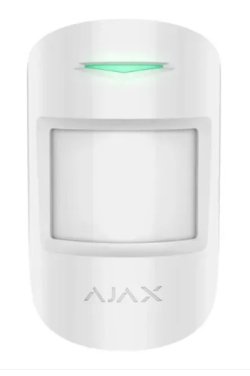
Reliable security of a facility begins with the correct selection of a motion detection system. Modern motion sensors are used in apartments, private homes, offices, shops and production facilities to timely detect activity and transmit an alarm signal. Devices on https://security-home.com.ua/ru/datchyky-rukhu/ help increase the level of security and automate room control.
How motion sensors work
The main task of the motion sensor is to record movement in the controlled area. The most common are infrared models that respond to changes in thermal radiation. Microwave, ultrasonic and combination solutions are also used to provide more accurate motion detection even in difficult operating conditions.
Sensors can operate both autonomously and as part of a security system. When motion is detected, the device transmits a signal to the central unit, turns on the siren, lights, or sends a notification to the owner through a mobile application. This ensures constant control of the territory regardless of the time of day.
Where motion sensors are used
Modern security systems use motion sensors almost everywhere. They are suitable for indoor and outdoor installation. Outdoor models are additionally protected from moisture, dust and temperature changes.
The most popular areas of application:
- security of apartments and private houses;
- control of office and warehouse premises;
- protection of retail facilities;
- automatic switching on of lighting;
- control of entrance areas and corridors;
- integration into smart home systems.
Many devices support adjustable sensitivity and viewing angle, which helps minimize false alarms. Some models are able to ignore the movement of pets, which is especially important for residential premises.
Advantages of modern security systems
Modern motion sensors are compact, highly accurate and easy to install. Manufacturers offer wired and wireless solutions, which allows you to select equipment for any operating conditions. Wireless models are especially in demand due to quick installation and