

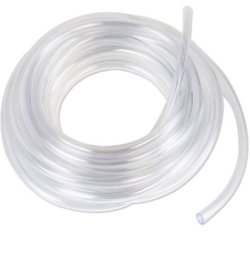
Modern industry places high demands on materials used for transporting liquids, gases and various technological media. One of the most popular products is considered transparent silicone tube, which combines flexibility, chemical resistance and a wide range of working temperatures Due to their characteristics, such products are successfully used in the food, medical, pharmaceutical, chemical and many other industries.
Transparent silicone allows you to visually control the movement of the working medium inside the tube, which is especially important for production processes that require constant monitoring of the quality of the transported product.
Main properties of silicone tubes
Silicone is a modern elastomeric material that is highly resistant to external influences. Unlike many types of rubber, it retains its characteristics at both low and high temperatures.
Transparent silicone tubes are characterized by good elasticity, resistance to aging and UV radiation. They do not lose their properties during long-term use and retain their original shape even under regular loads.
Advantages of transparent silicone
- high flexibility and elasticity;
- resistance to temperature changes;
- transparency for visual control of flow;
- resistance to moisture;
- long service life;
- chemical inertness;
- safety in contact with food.
It is the combination of these characteristics that makes silicone tubes a universal solution for various technological processes.
Application in the food industry
One of the most common areas for using transparent silicone tubes is the food industry. They are used for transporting drinking water, dairy products, drinks, syrups and other food liquids.
The material does not affect the taste, smell and properties of the product, which is especially important for enterprises operating in accordance with strict sanitary requirements.
Use in medicine and pharmaceuticals
Due to their biological inertness, silicone tubing is widely used in medical equipment and pharmaceutical production. They are suitable for fluid delivery systems, laboratory equipment and various medical devices.
The transparency of the material allows medical personnel to control the movement of solutions and promptly identify possible deviations in the operation of equipment.