
Choosing Airless Packaging for Serums is best evaluated as a complete packaging system, not as a single component. The tube body, pump or applicator, shoulder, cap, seal, decoration, and carton all affect how the product performs in real use. For serum brands, the right choice should support precise dosage, a clean application path, and better control for lightweight formulas while still fitting the formula, filling process, price level, and brand image.
A good specification begins with the formula. Buyers should confirm viscosity, active ingredients, fragrance level, target shelf life, fill volume, storage conditions, and how the consumer is expected to apply the product. Packaging that works for a light lotion may not suit a thick cream, a high-slip serum, or a tinted base product.
Common Structures and Use Cases
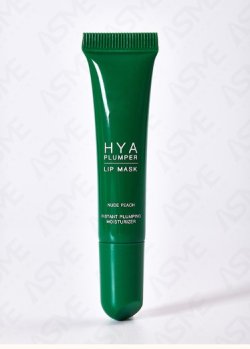
Common choices for this project include airless pump tubes, small airless bottles, dropper alternatives, and narrow actuator heads. Each option changes the user experience. A soft tube is familiar and efficient, while an airless pump can feel more precise and premium. A specialty applicator may improve control, but it also adds parts that must be tested for fit, dispensing, cleanliness, and durability.
For buyers comparing available packaging systems, reviewing airless pump bottles can help connect the serum concept with real tube structures, pump heads, applicator styles, decoration options, and quotation requirements. Use the linked page as a reference, then confirm drawings, filled samples, and final specifications with the supplier.
Benefits and Tradeoffs
The main advantage of a pump or applicator tube is control. Instead of asking the user to squeeze a large opening, the package can release a more consistent amount and keep the application area cleaner. This is especially useful for concentrated skincare, eye-area products, serums, sunscreen, makeup, and formulas where over-dispensing creates waste or a poor user experience.
The tradeoff is complexity. More parts mean more approval work. The pump head, actuator, inner path, cap, shoulder, and tube body must all work together. Buyers should not approve mass production from a rendering alone, because real samples reveal pressing force, flow speed, leakage risk, residue around the outlet, and whether the cap stays secure after repeated handling.
Specification Checklist
When preparing a brief, include tube diameter, target capacity, body material, wall feel, pump color, cap style, decoration process, and packing method. For this topic, pay special attention to formula viscosity, pump return, fill volume, transparency needs, and user dosing expectations. These details should be confirmed before tooling, printing plates, or bulk component orders are released.
- Confirm formula viscosity, fill volume, and expected shelf life.
- Request structural and filled samples before approving production.
- Check dispensing amount, leakage, cap fit, and actuator feel.
- Approve artwork, colors, finishes, and packing standards on real samples.
Testing and Decoration
A practical testing plan should include empty component inspection, filled-sample compatibility, transport simulation, leakage checks, repeated-use dispensing, and visual review after storage. If the formula is tinted, oily, acidic, or fragrance-heavy, check staining, odor transfer, separation, and stress marks. If the product is sold online, the carton and cap also need to survive parcel handling.
Decoration should be planned around the real tube shape. Small-diameter tubes need simpler layouts and careful type sizing. Pump tubes may have less uninterrupted printable area than standard squeeze tubes. Metallic effects, matte varnish, soft-touch coatings, transparent windows, and color-matched caps should be approved on physical samples rather than only on digital proofs.
Final Recommendation
The best approach is to define the formula and application goal first, then choose the tube structure and applicator. With clear specifications, filled samples, and documented quality standards, choosing airless packaging for serums can support a polished user experience while reducing the risk of production surprises.