

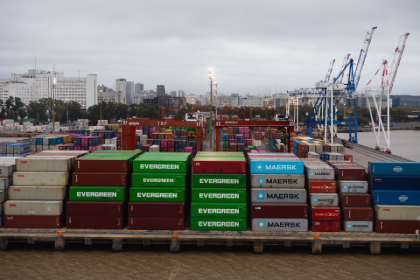
Steel imports into the six largest steel-producing economies in Latin America rose 47% between 2019 and 2025, from 37.6 million to 55.4 million metric tons. The increase is adding pressure on regional producers amid global excess capacity, according to a report published by the Organisation for Economic Co-operation and Development (OECD) on November 17.
About 40% of the imports were indirect: steel incorporated into finished goods such as machinery, vehicles and fabricated metal products. The OECD said conventional import statistics do not capture the full extent of foreign steel’s presence in regional markets.
China remained the largest source of direct and indirect imports, with combined volumes more than doubling between 2019 and 2025. Southeast Asian countries, particularly members of the Association of Southeast Asian Nations (ASEAN), also became more important suppliers. However, Chinese steel routed through third countries accounted for a relatively small share; direct trade remained the main channel.
Imports rise as capacity use remains low
Steel import penetration in the six economies increased from 33.8% in 2019 to 40.3% in 2025. Direct imports from China accounted for about 13% of regional steel demand in 2025, up from 7% six years earlier. Demand reached approximately 76.7 million metric tons, while capacity utilization among domestic producers remained at around 60%.
In 2024, steel from China and ASEAN—whether shipped directly or incorporated into finished products—accounted for more than half of the foreign-sourced steel consumed in the region.
Regional trade and exports contract
As import competition grew, steel trade among the region’s six largest economies fell 45% between 2019 and 2025. The share of Chile’s imports sourced from other major Latin American economies dropped from 18% to 5%; in Colombia, it fell from 40% to 9%.
Exports from Brazil and Mexico declined by about 34% each. Brazil’s shipments fell from nearly 12 million metric tons in 2019 to 7.8 million in 2025, while Mexico’s dropped from around 5 million to 3.3 million metric tons.
The OECD said the industry faces risks not only from imports but also from high energy and logistics costs, infrastructure constraints and insufficient investment. These pressures have heightened concerns about deindustrialization and the loss of high-quality manufacturing jobs.
The organization called for international coordination to address the causes of excess capacity, including market-distorting subsidies and other non-market policies. It also stressed the need to track steel embedded in finished goods and identified the Global Forum on Steel Excess Capacity as a venue for cooperation.




There are no comments yet.