

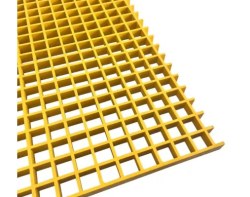
When an inspection flags a worn or corroded strip of grating along a process aisle, the fix looks straightforward on paper: the layout still calls it a pedestrian walkway, so measure the opening, match the old panel thickness, and drop in a replacement. Before ordering material, however, check whether surrounding handling, processing, drainage, and support conditions still match what an ordinary pedestrian walkway was meant to do.
Why an Old Walkway Label Deserves a Fresh Look
Floors in steel service centers, plate warehouses, and coil-handling bays rarely stay as drawn. Slitting and cut-to-length lines shift, staging lanes edge closer to aisles, dunnage stacks up near access routes, and maintenance crews adopt convenient walkways for jobs never shown on the original plan. By the time a run of grating wears out, it may be working far harder than its layout label suggests.
Checking for that drift does not require a plant-wide audit. The task is narrower: confirm what actually happens on and around this one stretch before assuming a pedestrian panel still fits.
What Reaches the Walking Surface During Normal Shifts
Watch the aisle during active shifts, not just during a quiet shutdown walkdown. Once floor space tightens, walkways built for foot traffic regularly absorb unintended contact from material handling.
As a hypothetical example, picture a grating strip beside a plate-staging bay where operators occasionally roll a loaded pallet jack across one corner to clear a bottleneck, or rest bar bundles, steel offcuts, or stacked dunnage along the edge while repositioning a lift. An ordinary pedestrian panel is not automatically suitable for wheeled equipment, forklifts, dropped steel, or heavy point loads—and actual wheel, impact, or point loads cannot be judged by eye. They have to be established from site operations and supplier or engineering data.
Nearby hot work requires the same field check. If plasma cutting, oxy-fuel burning, welding, or heavy grinding now happens close enough for sparks, hot slag, or radiant heat to reach the walkway, thermal exposure becomes a governing factor.
Seeing wheeled traffic, staged or dropped steel, or nearby heat is a condition to verify, not an automatic rule favoring one material. What it does mean is that an ordinary pedestrian panel is no longer a sufficient like-for-like basis. Once vehicle loads, heavy impact, or heat govern the stretch, gather actual load, impact, or thermal details and compare suitable options—including metal grating, solid flooring, or a specifically verified system.
Fluids, Debris, and What Sits Beneath the Grating
Surface traffic and heat are only part of the picture. Open-mesh grating lets washdown water and tracked-in moisture drain through, but it is not a sealed floor, and drainage alone does not make open mesh right for every bay.
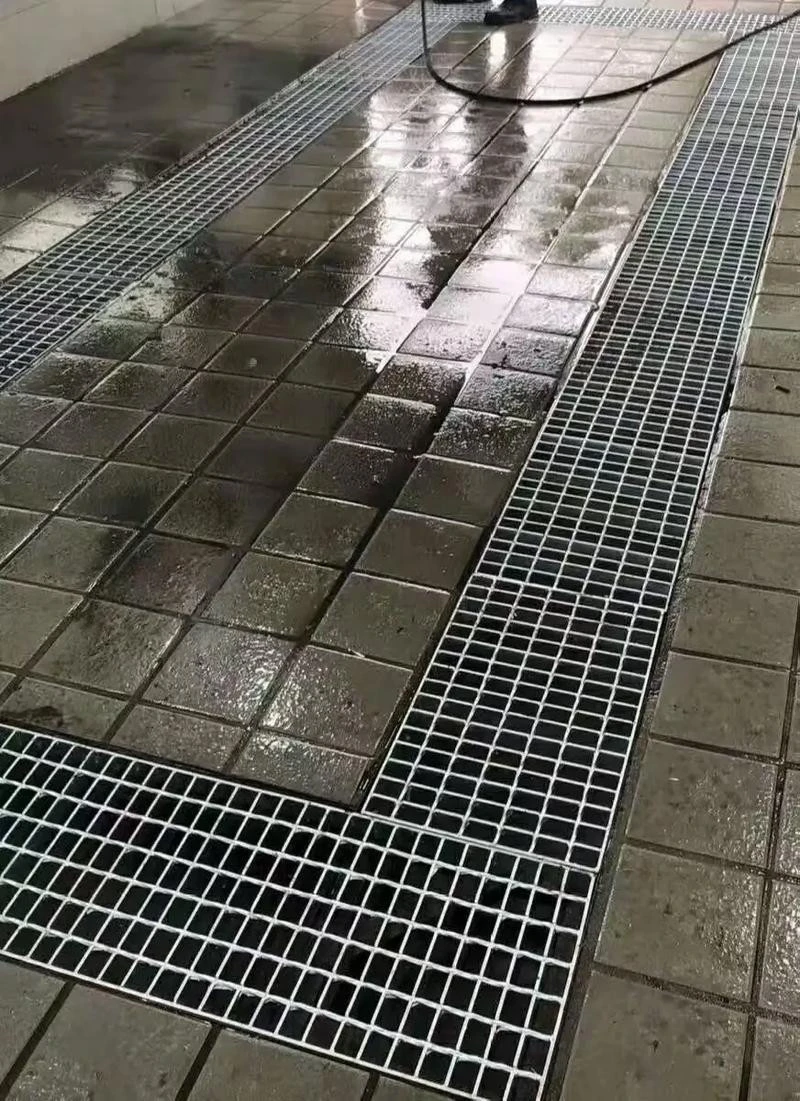
Figure 1. Wet tiled floor with drainage grating.
In steel processing and distribution areas, hydraulic leaks, slitting lubricants, rolling oils, and coolant mist can coat the walking surface while dripping straight into the space below. Open mesh does not, by itself, remove slip risk when oil or coolant coats the surface, so traction and housekeeping still need to be checked rather than assumed from drainage. Check what sits underneath the worn stretch: electrical conduits, junction boxes, drive motors, sumps, or lower work zones may carry housekeeping or spill-containment rules that open mesh cannot satisfy.
Solid drop-through poses a parallel risk. Steel offcuts, mill scale, fasteners, hand tools, and hot grinding debris can fall through open cells onto equipment or people below. If nearby work now regularly sends fluids, parts, or hot debris onto the mesh, confirm with site operations and safety staff whether open grating still belongs there or whether a solid or covered surface should be evaluated instead.
Supports, Fixings, and Why Matching Thickness Misleads
A replacement check is incomplete until someone inspects what holds the panels up. Following site access and safety procedures, check the bearing angles, channels, curb frames, or trench ledges under the worn run. Corroded bearing seats, bent flanges, uneven shims, and missing hold-down clips can turn a new panel into a rocking or poorly supported surface. Measure the clear span, note the panel span and bearing-bar direction, check bearing width at each seat, and record how existing panels are fixed against uplift or lateral shift.
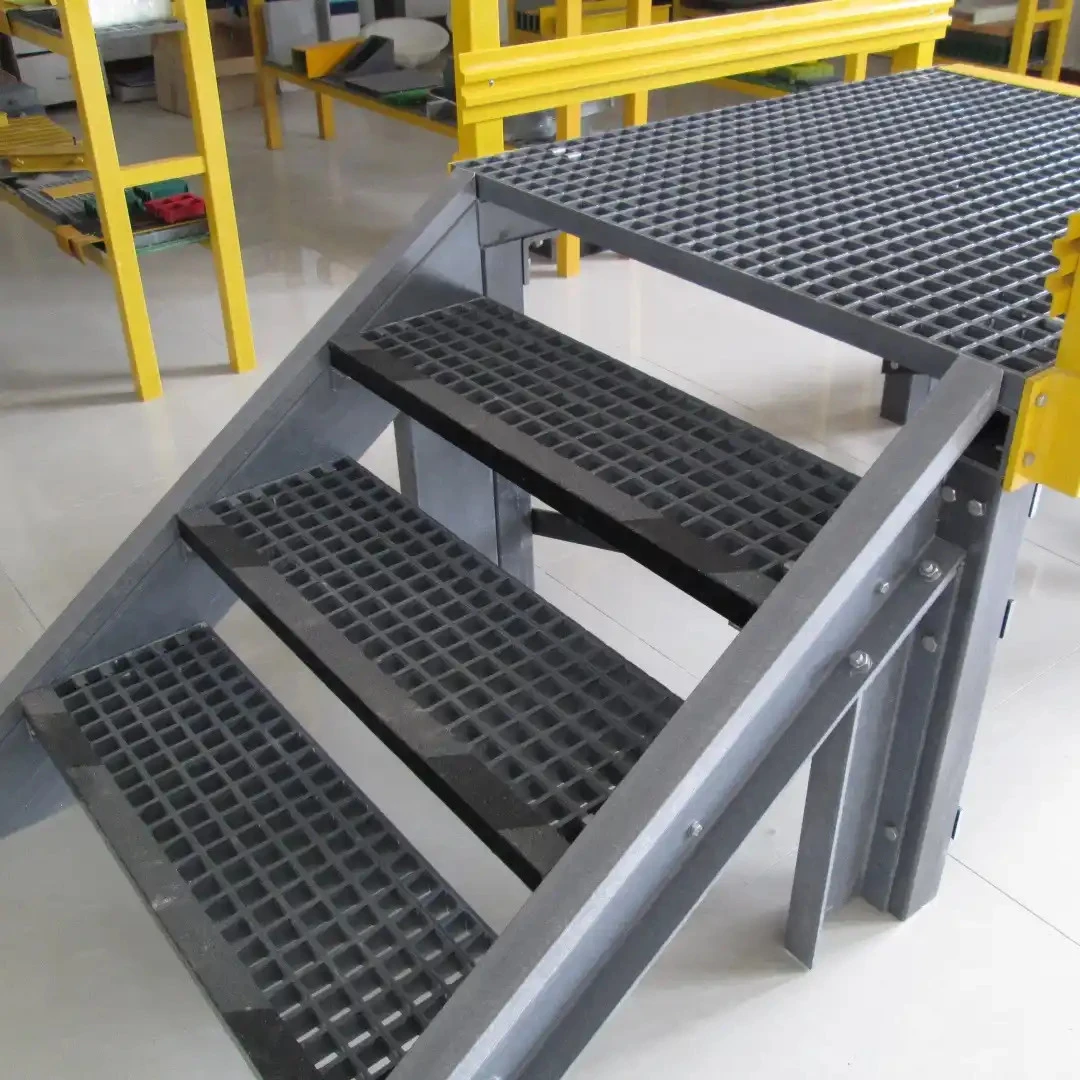
Figure 2. Grating treads and landing mounted on a steel frame.
This is also where visual matching causes the biggest mistakes. Matching opening size, frame fit, or old panel thickness does not by itself justify a replacement. Where composite panels are among the options being reviewed, generic naming adds further ambiguity: fiberglass, FRP, and GRP grating are common names for the same broad family, yet those labels alone do not specify the resin, molded versus pultruded construction, or rating—and equal thickness is not automatic equivalence with steel.
Molded and pultruded panels are made differently and carry load differently. Pultruded panels use directional bearing profiles—much like steel bar grating—so their orientation across the supports matters in the finished installation, and existing support layouts and hold-down fixings cannot be assumed interchangeable between different grating materials or constructions. Choosing a replacement therefore depends on pairing verified clear span, bearing orientation, support layout, fixing compatibility, and actual service loads with construction-specific supplier or designer data—not on measuring the old panel's depth.
Turning Site Checks Into One Next Step
A walkdown narrows the scope, but it is not an engineering sign-off and cannot certify a walkway as safe for service. Keeping field observations separate from what requires supplier data or engineering verification clarifies what comes next. The roles in the table below are typical; exact review and approval responsibilities depend on site procedures and qualified engineering oversight.
|
What you may observe on site |
Why it matters for this replacement |
What still has to be verified (and typical owners) |
|---|---|---|
|
Pallet jacks, forklifts, staged steel, or dropped offcuts on the strip |
Pedestrian panels are not automatically suited to wheel, point, or impact loads |
Actual vehicle, wheel, staging, and impact loads—defined by site operations and verified for capacity by a designer or supplier engineer (not by visual check) |
|
Sparks, slag, or radiant heat from nearby cutting, welding, or grinding |
Nearby heat can mean an ordinary pedestrian panel is no longer a sufficient like-for-like basis |
Hot-work proximity and intensity—confirmed by site operations and safety, then checked against material thermal limits by the supplier or project engineer |
|
Oil film, coolant runoff, falling solid debris (offcuts, scale, tools), or conduits, motors, sumps, and people below |
Open mesh lets liquids and small debris pass through to lower areas, and drainage alone does not resolve oil-coated footing |
Spill-containment, drop-through, housekeeping, and surface-traction checks—typically confirmed with site operations and safety staff, using supplier surface-finish or product data only where relevant |
|
Corroded bearing angles, bent ledges, uneven shims, or missing clips |
Poor bearing or missing restraints compromise even a properly rated panel |
Clear span, span direction, bearing width, support integrity, and fixing compatibility—measured on site by maintenance; field measurement alone is not enough for damaged supports or structural adequacy, which should be reviewed by a qualified structural or project engineer |
|
Old panel depth or a generic "FRP," "GRP," or "fiberglass" record |
Equal thickness does not equal steel capacity; generic names omit resin, build, and rating |
Exact material, molded vs. pultruded build, bearing orientation, and capacity for the actual span and load—from construction-specific supplier information and reviewed by the project designer or a qualified engineer |
From there, the team can take one practical next step for this single stretch:
- Continue evaluating pedestrian options if traffic, hot work, drainage, drop-through, and support conditions still match pedestrian service, checking fit against confirmed pedestrian service loads, span and bearing direction, verified supports, fixing compatibility, and construction-specific product data.
- Stop and re-scope if wheeled loads, staged or dropped steel, nearby heat, or containment and drop-through rules show that an ordinary pedestrian open-mesh panel no longer fits; if supports are damaged, stop for support repair or structural review before installing any replacement panel, as damaged supports alone do not rule out pedestrian open-mesh service.
- Pause and close data gaps if key site or supplier facts—actual loads, thermal exposure, support condition, or construction-specific product data—are still missing and must be obtained first.
Keeping the decision focused on one stretch avoids both traps: matching an old panel thickness blindly in a changed bay, or turning a local maintenance task into a plant-wide rebuild. When surrounding floor conditions are checked first, whatever engineering or specification step follows starts from what the walkway actually faces today.