

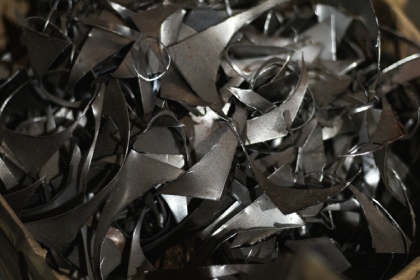
Despite this, prices for standard grades of stainless steel scrap have recently declined due to holiday shutdowns, planned maintenance downtime, increased imports of slabs, and a decrease in the number of orders. The decline in nickel prices, partly related to Indonesia's consideration of increasing mining quotas, also contributed to the weakening of the market.
European factories maintain cautious purchases
European stainless steel plants continue to operate at a conservative production level, adhering to a cautious scrap procurement strategy. The limited availability of scrap provided some support to the market, despite relatively weak consumption.
In Italy, the demand for stainless steel scrap remains selective: factories purchase it mainly to meet urgent production needs. The availability of high-quality scrap continues to be a strategic consideration, while increasing importance is being placed on traceability, sustainability, and carbon dioxide emissions.
Asian markets show mixed demand trends
In Asia, high summer electricity costs tend to dampen demand for stainless steel scrap in Taiwan, while consumption in South Korea remains stable after scheduled furnace maintenance is completed. In Japan, scrap exports have fallen to a low level as domestic factories increasingly use local materials.
In India, most stainless steel manufacturers are focusing on purchasing domestic recycled stainless steel in response to price volatility on the London Metal Exchange, fluctuations in the rupee against the US dollar, and rising container shipping costs. Regional processors and refiners continue to supply plants on a one-time basis with door-to-door delivery and on credit payment terms. However, domestic supplies alone are still insufficient to meet the needs of the factories, which means that imported processed




There are no comments yet.