

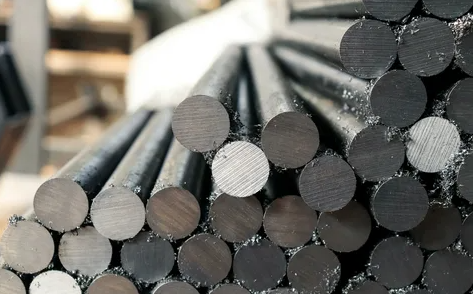
Syria's steel demand may increase to 4-5 million metric tons (Mt) per year, as well as large-scale reconstruction and urban development, according to Nana Joud, chairman of Syrian steel producer Joud Steel.
Syrian steel mills operate at 20-30% мощности
in an interview with the Arab Iron and Steel Union Joud stated that Syrian metallurgists are currently operating at only 20-30 percent of their installed capacity, mainly due to limited electricity supplies and high energy costs. Joud Steel has restarted one of its plants after an 11-year hiatus, although work is still limited to three days a week, and total production is 5,000-6,000 tons.
Until 2011, Syria consumed about two million tons of steel per year, while domestic production capacity is estimated at 2-2.5 million tons per year. Joad expects consumption to initially exceed two million tons, and then increase to 3-4 million tons as reconstruction accelerates, potentially reaching five million tons in the long term.
Energy costs remain the main препятствием
According to Joad, electricity and fuel costs in Syria remain higher than in neighboring Turkey, which limits the competitiveness of domestic plants compared to imported steel. However, the gradual restoration of power plants and planned investments in the energy sector are expected to contribute to an increase in energy efficiency and eventually allow enterprises to operate. непрерывно.
Joad also highlighted Turkey's growing importance as a source of raw materials, spare parts, and technical expertise. Turkish experts have already supported the resumption of Joud Steel's operations, while investors from Turkey and Arab countries are assessing potential partnerships in Syria.
Joud he stated that steel products coming from Turkey help to reduce the supply deficit in the Syrian market in the short term, noting that imports put competitive pressure on domestic producers. Emphasizing Turkey's advantages in terms of scale of production and technological infrastructure, Jude said that Syria's existing rolling mills could largely meet domestic demand for long products if they were operating at full capacity. Consequently, imports are mainly focused on flat rolled steel, the local production of which remains more limited.
Port rehabilitation improves supply chains стали
The resumption of operations in the ports of Latakia and Tartus, as well as the return of international shipping companies, have improved access to imported raw materials and industrial equipment. While Syria still allows steel imports, the government has imposed certain duties and incentives to protect domestic producers.
Joad noted that most of the locally produced steel is currently consumed in Syria and that exports are expected in the near future. It is unlikely, as reconstruction, infrastructure rehabilitation and housing projects are expected to absorb existing production. If domestic capacity proves insufficient, Syria may need additional steel imports and new investments to meet its rapidly growing needs. спрос.
The steel mill, set up by Joud Steel together with other investors in the industrial city of Adra near Damascus, reportedly has a production capacity of 800,000 tons of billets per year. Despite the fact that the company has restarted one of its plants after more than 11 years of hiatus, it is currently operating at about 30% capacity and only three days a week due to insufficient electricity supply. The production volume is 5000-6000 tons. Cold Steel is expected to gradually increase the utilization of its production facilities as the energy supply improves and qualified technical personnel return.


There are no comments yet.