

South Korean engineers have developed a new steel alloy that is flexible, ultra-strong and lightweight. One of the additional advantages is that the new type of steel can be obtained using standard steelmaking equipment, and its cost is one-tenth of that of titanium alloys.
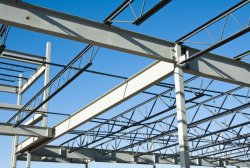
Stalinvest specializes in the supply of rolled metal and metal structures. Rapidly erected buildings are one of the new promising areas of the company.
The history of the new alloy began in the Soviet Union in the 1970s. Soviet engineers discovered that the addition of aluminum during steelmaking made it possible to obtain a very strong and lightweight metal. But this alloy had one significant drawback - it was incredibly fragile. While the force required to break it was high enough. The reason for the brittleness of the metal is crystal structures called B2, formed by the fusion of aluminum and iron atoms together.
In South Korea, scientists have found that if B2 crystals are distributed in a certain way, then it will resist splitting. The team has perfected the process over the years and have come to the conclusion that it is necessary to heat treatment first and then roll the steel thinly to form B2 crystals as desired. The researchers also found that adding a small amount of nickel gave more control over the formation of B2, which occurs at higher temperatures.
The Korean group noted that before their new alloy is mass produced, they must determine how to protect it from oxidation. Conventional steels are protected by a thin layer of silicate, but silicate reacts with this new material, so another option must be sought.
Developed a new steel alloy equivalent to titanium
There are no comments yet.