

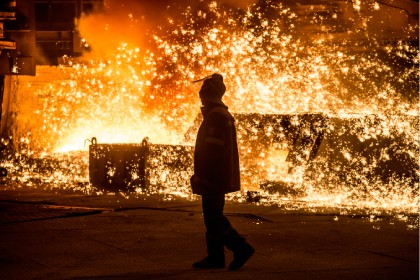
The Bureau of International Recycling (BIR) has warned that current approaches to defining green steel could undermine global efforts to decarbonize the steel industry.
Steel production accounts for about eight percent of global emissions and about 30 percent of industrial emissions, making accurate classification of low-carbon steel critical.
Criticism sliding scale methodologies
The BIR has highlighted concerns about the use of "sliding scale" methodologies that adjust emission thresholds rather than strictly measure actual carbon intensity.
The organization said this approach risks creating a system of double standards that distorts the environmental performance of steel production.
Risk of distorted incentives
The organization said such methodologies could allow producers with relatively higher emissions, often associated with lower scrap use, to still classify their products as green steel. This creates distorted incentives, favoring more carbon-intensive production routes, while penalizing producers who rely more heavily on recycled materials.
BIR stressed that these practices can weaken key principles of circularity and resource efficiency. By diluting the environmental benefits of recycled steel, the current approach risks undermining the role of scrap-based production in reducing emissions.
The need for transparent and comparable standards
There are no comments yet.