

The document sets out the main goals by the end of 2028, details specific modernization objectives for nine key industries, and calls for increased support through financing, pricing guidance, policy incentives, and standards-based standards. limitations.
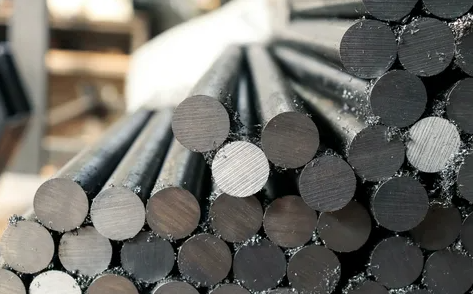
Accordingly, starting in 2026, over a three-year period, comprehensive energy conservation and carbon reduction upgrades will be fully implemented in nine key industries, including steel, electrolytic aluminum, cement, sheet glass, oil refining, ethylene, synthetic ammonia, methanol, and coal-fired power. The initiative aims to encourage enterprises to increase their energy efficiency and carbon emissions to the maximum extent possible, as well as significantly enhance the green and low-carbon development of these industries.
In particular, by the end of 2028, the share of steel industry capacities corresponding to the current energy efficiency benchmark will increase by an average of 20 percentage points. In the coal and energy sectors, the share of capacities corresponding to the current energy efficiency benchmark will increase by an average of 15 percentage points.
The total energy savings will exceed 100 million tons of notional coal equivalent, and carbon dioxide emissions will decrease by more than 200 million tons in the period 2026-2028.


There are no comments yet.