

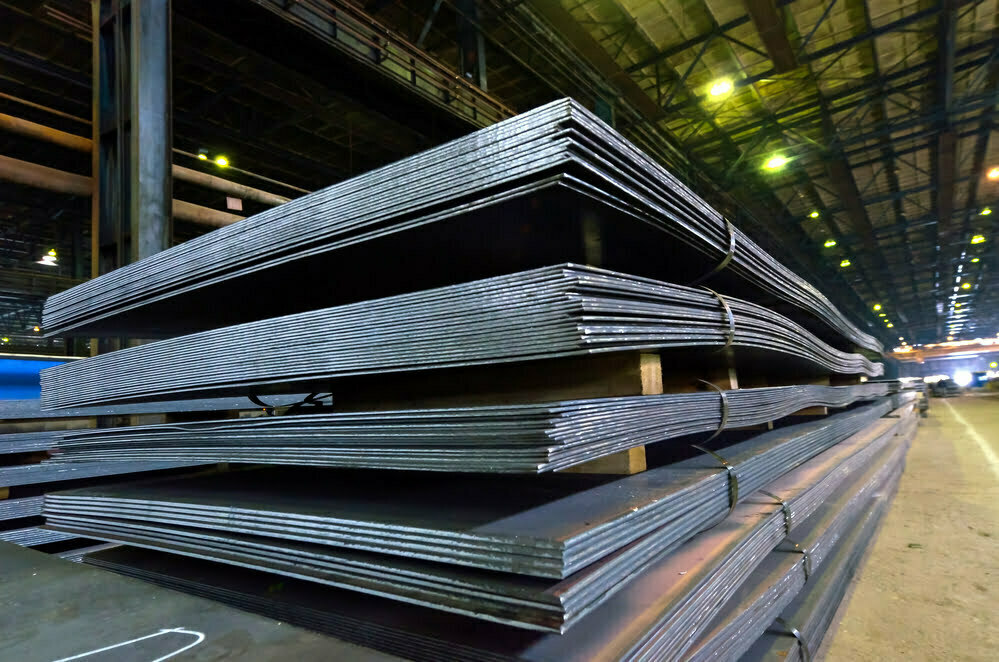
India's problem in terms of iron ore is not to ensure sufficient supplies, but to ensure the proper ore quality needed to expand production and reduce emissions in the steel industry, according to a report from the Institute for Energy Economics and Financial Analysis (IEEFA), published on Wednesday, August 12.
As iron ore imports become increasingly important for India, the type of ore it mines may influence its choice of steel production technology and long-term dependence on coking coal imports, the report said. отчете.
In the context of growing global supplies of high-quality raw materials of direct processing and "green iron", India should evaluate future sources of iron ore production in terms of technology, energy security and industrial competitiveness, and not just cost, according to the IEEFA.
Besides Australia, Brazil is well positioned to benefit from India's transition to lower-emission steel production, given that India has rich reserves of high-quality iron ore and a growing production base of direct recovery raw materials..
If traditional blast furnace ore dominates in the future, this could increase investment in steel production in oxygen concentrator blast furnaces (ODS) and expand India's capabilities.dependence on imports of coking coal, of which the country already imports about 85 percent.
It is estimated that about 57 percent of India's claimed capacity under development is still based on BF-BOF technology. Increasing the availability of high-quality direct reduction (DR) raw materials, on the contrary, may contribute to the gradual expansion of DRI production using natural gas, coal-fired synthesis gas, and, over time, environmentally friendly hydrogen, the report says.


There are no comments yet.