

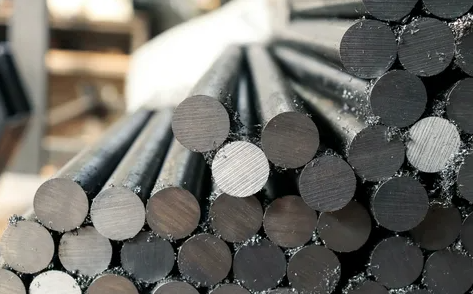
The European Commission has adopted the Implementation Regulation (EU) 2026/1963, which establishes the documentary evidence that importers will have to provide to confirm the country from which steel products entering the EU are smelted and bottled. The implementation regulation, which was unanimously supported by EU member states on August 19, will enter into force on October 1, 2026, and aims to enhance traceability while limiting the risk of steel being diverted through third countries to circumvent trade measures. ЕС.
The factory test certificate will be the key документом
From October 1, importers will have to declare at customs the country in which the steel was smelted and bottled, statements supported mainly by a test certificate. at the mill, which indicates the country of smelting and casting, as well as the corresponding number плавки.
If the mill test certificate is unavailable or does not contain the necessary information, the Customs authorities may accept invoices, invoices, quality certificates, purchases or contracts, long-term supplier declarations, cost accounting and production certificates, export-country customs documents, commercial correspondence or product descriptions, provided that they identify as in melt the butter and pour in the heat number.
During the first year of implementation, these documents can be accepted either as independent evidence or as additional documentation accompanying an incomplete test certificate at the factory. However, starting from October 1, 2027, they will only be accepted as additional evidence, and therefore importers will have to provide a factory test certificate in all cases.
The new requirements support the steel import system in ЕС
According to the European Commission, the final requirements take into account the feedback provided by almost 170 steel producers, consumers, traders, importers and industry associations during the targeted consultation.
As previously reported SteelOrbis The provision of smelting and casting services is part of the EU's steel trade policy. The new steel trade regulation, which entered into force on July 1, 2026, replaced the previous protective measure. The framework program sets an annual duty-free tariff quota of 18.35 million tons and applies a 50 percent duty on imports exceeding the available quota.
The traceability requirement applies to all sources of origin, including the countries of the European Economic Area, and will provide the Commission with data to assess by June 30, 2028 whether the country of production of the melt and casting meets this should also serve as the basis for access to tariff quotas.




There are no comments yet.