

The Japanese Ministry of Economy, Trade and Industry (METI) has requested 1.26 trillion yen ($7.88 billion) for green economy measures as part of its fiscal year 2027 budget proposal, more than double the 605 billion yen ($3.79 billion) allocated in the initial fiscal year 2026 budget.
METI's total budget request, covering its general and special accounts, is 7.79 trillion yen ($48.76 billion). The proposed appropriations are still subject to approval during Japan's budget negotiations.
Large-scale investments in the electric steelmaking industry remain a priority
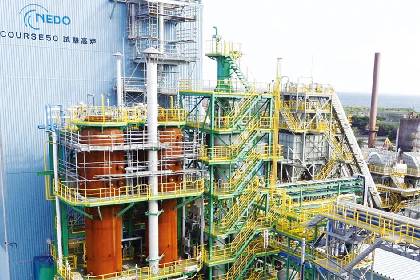
METI plans to continue supporting investments in the steel industry -intensive projects aimed at converting blast furnace production to the production of large electric arc furnaces as part of a program to transform energy and production processes in industries with hard-to-recover reserves.
The scheme covers metallurgy, chemicals, cement, and the pulp and paper industry to promote investments that reduce emissions while maintaining industry competitiveness. In the steel production segment, government support has already enabled the implementation of major EDP conversion projects, including investments by Nippon Steel in the amount of 868.7 billion yen (5.44 billion US dollars) in the construction of three furnaces with a total annual capacity of about 2.9 million tons.
Government procurement to stimulate the production of environmentally friendly steel demand
Along with production support, the Japanese government intends to accelerate the formation of initial demand for environmentally friendly steel, in particular, through its use in public infrastructure projects.
METI and the Ministry of Land, Infrastructure, Transport and Tourism have already started implementing pilot projects related to low-emission steel products such as sheet piles and bridge slabs. The trials will assess their prevalence, carbon footprint, and the value of green transformation ahead of wider adoption in public works from 2030.
Japan aims to create a domestic and foreign market for the production of at least three million tons of high-quality "green" steel per year by the early 2030s, supported by large-scale EAF investments, hydrogen-based steel production technology, increased availability of high-quality scrap, and government procurement.
There are no comments yet.