

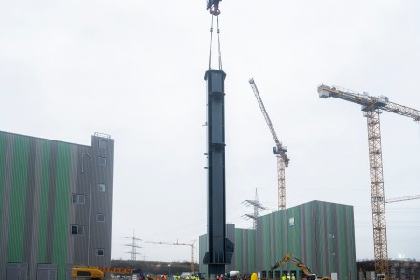
Thyssenkrupp Steel Europe now plans to start operating its direct reduced iron (DRI) plant under construction in Duisburg in 2029, two years later than originally scheduled. The delay reflects construction setbacks linked to the project’s innovative nature, according to a European Commission decision.
The new plant will replace one of the site’s four coal-fired blast furnaces and will be capable of producing 2.5 million tonnes of DRI a year. Two melting units will have a combined capacity of 2.3 million tonnes of hot metal annually. The configuration will preserve existing steelmaking processes and product quality without increasing hot metal or steel output in Duisburg.
The transition to hydrogen will be slower than initially planned, with more natural gas used at first because of changing energy costs and additional technical requirements. The European Commission approved revised terms for €2 billion in public funding, allowing greater flexibility in the shift to hydrogen. Thyssenkrupp aims to achieve climate-neutral steel production by 2045.
There are no comments yet.