

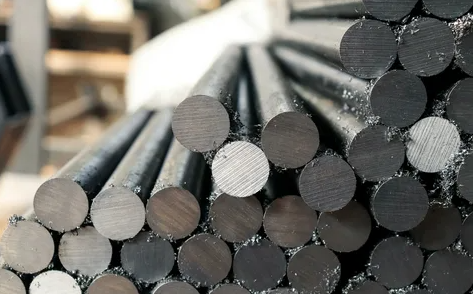
Global excess steelmaking capacity could exceed 700 million tonnes by the end of 2026, the Organisation for Economic Co-operation and Development (OECD) said at the 100th meeting of its Steel Committee in Paris on November 18–19.
Global steel demand fell 1.6% year on year in the first half of 2026, while steelmaking capacity reached a record 2.533 billion tonnes. Steel Committee Chair Sheryl Groeneweg said capacity had risen by 88 million tonnes on an annualised basis, the largest increase since 2013. Non-OECD economies accounted for more than 90% of net capacity growth.
China continues to expand capacity despite weak domestic demand, while India’s output increasingly exceeds its growing domestic requirements. A further 89 million tonnes of potential capacity additions are planned or under way for 2027–29.
China accounted for about 40% of global steel exports in January–June 2026, up from 19% in 2019. The committee also pointed to rising imports of steel-intensive downstream products, including vehicles and machinery, as well as continued trade diversion and circumvention of trade measures.
OECD research identified 42 overseas steel capacity cooperation programmes and initiatives linked to 25 Chinese provincial-level jurisdictions. The organisation said these contributed to excess capacity in Southeast Asia.
Meeting participants welcomed the Milwaukee Framework of the Global Forum on Steel Excess Capacity and called for stronger international cooperation, faster trade remedies and closer monitoring of subsidies. The proposed 2027–30 work programme includes an early-warning tool for suspicious trade flows and analysis of trade remedy effectiveness and subsidies across the steel value chain.



There are no comments yet.