

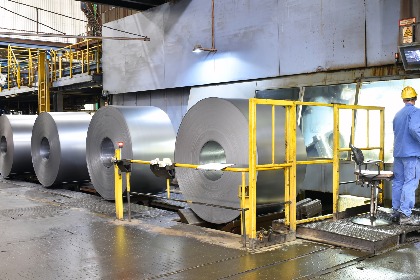
The European Union will not grant Britain an exemption from its Carbon Border Management Mechanism (CBAM) unless the two sides formally link their emissions trading systems, according to media reports. The decision means UK manufacturers will face a significant increase in administrative requirements from January 2026.
Annual costs and administrative burden amount to £800 million
The UK Government estimates that CBAM could cost UK industry around £800 million per year. On top of the carbon costs themselves, exporters will face extensive new administrative requirements including emissions reporting, inspection and certification, comparable to the post-Brexit surge in paperwork.
British trade association UK Steel has indicated that tax relief is unlikely to come until Easter at the earliest, meaning companies must prepare to fully comply with CBAM rules from the start 2026
EU position: connection first, release later
Wopke Hoekstra, the European commissioner for climate action, said the EU position is clear. “We are not exempting anyone, but the moment we fully link the two processes, it is likely that an exception will be made at that point,” he said.
Hoekstra acknowledged that the UK government would prefer a different course of action, but stressed that the EU would not change its approach. He added that negotiations with the UK would continue to achieve a formal link between the two carbon markets.
Potential relief for UK electricity exports
Some limited relief may be available for UK electricity exports. Electricity, along with steel, cement, fertilisers, aluminum and hydrogen, falls under CBAM's remit. However, the Commission has indicated that UK electricity exports should in principle not be subject to CBAM levies as UK electricity producers already face higher carbon costs than their EU counterparts. The position was welcomed by the UK government.
Industry warns of risks to competitiveness
Industry groups

There are no comments yet.