

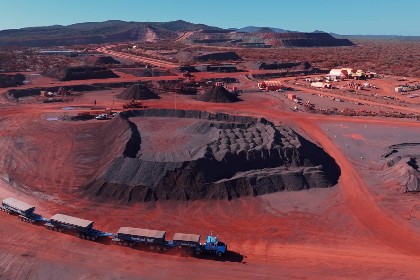
Australian iron ore producer Fenix Resources said its iron ore shipments in the third quarter of fiscal 2026, ended March 31, were negatively impacted by the closure of the Port of Geraldton in Western Australia due to Tropical Cyclone Narelle.
The company's iron ore shipments fell 22 percent to 973,600 tonnes in the quarter, compared with the previous quarter recorded 1.24 million wet metric tons (weight tons). The company said two shipments totaling about 120,000 tonnes scheduled for March were postponed to April due to the cyclone. During the period, deliveries from the Iron Ridge mine rose five percent quarter-on-quarter to 372,200 west, while shipments from the Shine mine fell 50 percent to 239,800 west and Beebyn-W11 deliveries decreased 12 percent to 361,600 west.
Over the same period, iron production Fenix ore fell by six per cent to 992.5 thousand tonnes from 1.06 million tonnes recorded in the previous quarter, while iron ore processed increased by nine per cent to 1.24 million tonnes. The volume of iron ore transported remained stable at 1.06 million tonnes.
The company's cash cost in the quarter fell seven percent quarter-on-quarter to A$70 per tonne, in line with the lower end of its cost forecast. Fenix said the improvement in costs was due to the use of materials accumulated in previous quarters, but added that higher diesel prices caused by the Middle East crisis were expected to weigh on costs in the June quarter.
Fenix maintained its total iron ore sales forecast for FY2026 at 4.2-4.8 million tonnes, while maintaining its cash cost forecast Group C1 unchanged at A$70-80 per tonne FOB Geraldton.
The company also said a definitive feasibility study for its Weld Range iron ore project is underway and is expected to be completed in the second half of calendar year 2026. According to Fenix, the Weld Range project plays an important role in the company's plan to increase long-term production to 10 million tons per year.



There are no comments yet.