

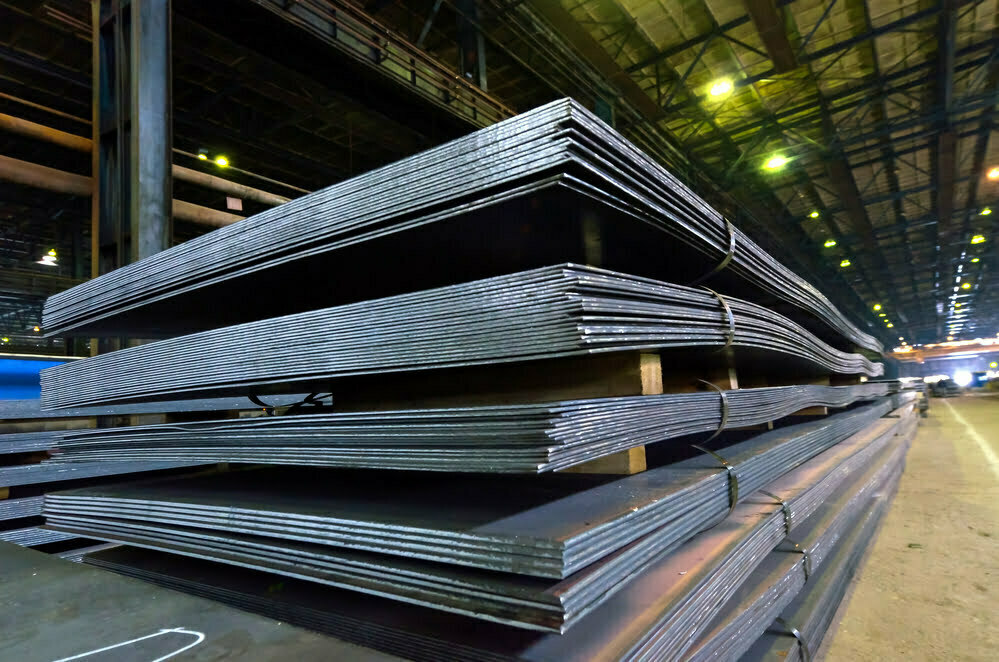
Canada's Algoma Steel Group Inc. announced a net loss of 96.0 million Canadian dollars for the second quarter of 2026, compared with a net loss of 110.6 million Canadian dollars in the second quarter of 2025, an increase of 13% over the same period last year. Revenue for the second quarter was CAD$267.5 million, compared to CAD$589.7 million in the second quarter of 2025. The company's adjusted EBITDA for the second quarter was CAD$13.8 million, compared to an adjusted EBITDA loss of CAD$32.4 million in the second quarter of 2018-2025.
The loss was mainly due to a sharp reduction in steel supplies, as tariffs under Article 232 of the United States continued to restrict the company's export activities. The operating loss increased to CAD$134.2 million from CAD$85.1 million in the second quarter of 2025. The net loss, however, decreased year-on-year, helped by insurance revenue of 45.0 million Canadian dollars and currency exchange. profit.
Adjusted EBITDA for the second quarter includes two notable one-time items. The final insurance payment of CAD$45.0 million was included in other income due to the collapse of the engineering corridor in January 2024 and fully paid in the amount of CAD$ 145.0 million, net of deductibles. In addition, an adjustment for the use of production facilities in the amount of 54.7 million Canadian dollars was taken into account, representing additional fixed costs exceeding those that were necessary for the operation of the equipment. electric arc furnace (EDP) at current volumes. This adjustment decreased from 90.2 million Canadian dollars in the first quarter of last year. 2026.
Shipments in the second quarter totaled 181,473 tons, down 61.6 percent from the same period last year compared to 472,056 tons, reflecting the shift to steelmaking only in electric furnaces after the obsolete blast furnaces were permanently shut down on January 18, 2026. The average net sales of products per ton of steel sold increased to 1,361 Canadian dollars, up 20.2% year-on-year from 1,132 Canadian dollars per ton. The cost of a ton of metal products sold was 1,411 Canadian dollars, compared to 1,144 Canadian dollars in the second quarter of 2025. U.S. shipments accounted for 23 percent of total steel shipments, compared with 54 percent in the second quarter of 2025 and a historical range of about 45-55 percent. Direct tariff costs totaled CAD$18.7 million, compared to CAD$64.1 million in the second quarter. quarter of 2026 2025.
In the third quarter of 2026, Algoma expects to produce the first steel at its second EDP production facility, which is nearing completion. The adjustment to capacity utilization is expected to continue over the next three months and be fully eliminated by the fourth quarter of 2026. After the completion of the EDP conversion, the steel plant's annual capacity is expected to be approximately 3.7 million tons and reduce annual carbon dioxide emissions by about 70 percent compared to pre-EDP levels. The company ended the quarter with total available liquidity of approximately 437 million Canadian dollars.
Rajat Marwa, Chief Executive Officer of Algoma, said: "The second quarter demonstrated the resilience of our transformed business amid challenging industry conditions. We released a record album for the second quarter in a row, sales of our first EAF installation continued to grow as expected, and the cost of The transition period decreased significantly compared to the first quarter. With the commissioning of the second EAF plant and the first steelmaking plant expected in the third quarter, we are entering the final phase of the most significant transformation in Algoma's history."
Mr. Marva continued: "While the 50 percent tariffs under Section 232 of the United States remain in effect. effectively foreclose our traditional access to the U.S. market, we adhere to a Canadian-oriented strategy for the production of rolled products. As Canada's only rolled steel producer, we are uniquely positioned to meet the growing demand for infrastructure, construction, and defense, and the recent increase in steel prices is encouraging. We are grateful for the continued support of the federal and provincial governments as we complete this transition period and build a stronger and more sustainable company. The Canadian steel Industry."
There are no comments yet.