
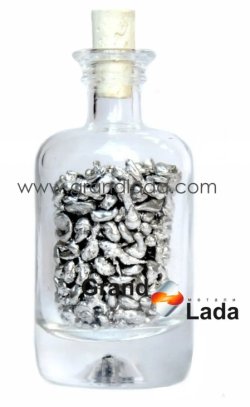
Soldering remains one of the most popular methods of joining metal parts in industry, construction, electronics and household repairs. The quality of the finished connection directly depends not only on the equipment and adherence to technology, but also on the correctly selected solder. Modern solder for soldering provides a strong connection, resistance to stress, corrosion and temperature changes.
What is solder
Solder is a special metal alloy that is used to join parts by soldering. During heating, the material melts, fills the gap between the elements and, after cooling, forms a reliable seam. Unlike welding, soldering does not destroy the structure of the base metal and allows you to work even with thin or sensitive parts.
Various metals and alloys are used for the production of solders:
- tin;
- lead;
- silver;
- copper;
- aluminium;
- zinc;
- nickel.
The composition is selected depending on the operating conditions and the type of materials being joined.
Where is solder used for soldering
Modern solders are in demand in almost all industries. They are especially actively used in the following areas:
- production of electronics and electrical engineering;
- installation of utilities;
- repair of household appliances;
- automotive industry;
- instrumentation;
- manufacture of heat exchange equipment;
- jewelry production.
For each sphere, materials with certain characteristics are selected: melting point, electrical conductivity, corrosion resistance and mechanical strength.
Features of solder selection
When choosing solder, it is important to consider the type of metal, operating conditions of the product and soldering technology. For electronic components, high electrical conductivity and minimal risk of overheating are especially important. In plumbing systems, resistance to moisture and temperature changes is of great importance.
You also need to pay attention