

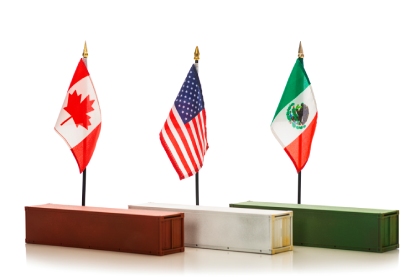
In her testimony, Wiener emphasized that the recycled materials industry is the cornerstone of the North American manufacturing ecosystem. The sector supports approximately 600,000 jobs across the United States, generates more than $170 billion in annual economic activity, and processes more than 130 million tons of recycled materials annually. These materials form the basis of domestic production. Approximately 70 percent of U.
S. steel production depends on recycled steel.
Canada and Mexico remain important trading partners, accounting for 89 percent of U.
S. recycled materials imports in 2024. Wiener said uninterrupted duty-free movement across borders is fundamental to the competitiveness and security of supply for American manufacturers.
A call to preserve duty-free trade and the existing USMCA. framework
Wiener called on USTR to preserve the USMCA's duty-free trade provisions on "waste and scrap," which underpin unhindered trade flows of recyclable raw materials. She argued that imposing tariffs or additional restrictions would disrupt production supply chains, raise costs, and weaken U.
S. industrial resilience.
She also highlighted the new challenges posed by the Basel Convention, which has begun to complicate the cross-border transport of recyclables. The ReMA representative emphasized that U.S. agencies should continue to recognize the specifications of the Institute of the Scrap Metal Industry (ISRI) in order to maintain clarity and uniformity in international trade classifications.
Wiener emphasized that the waste recycling industry is important for the economic and national security of the United States. Reliable access to processed raw materials supports domestic production, reduces dependence on primary raw materials, and strengthens North America's sustainable industrial base.




There are no comments yet.