

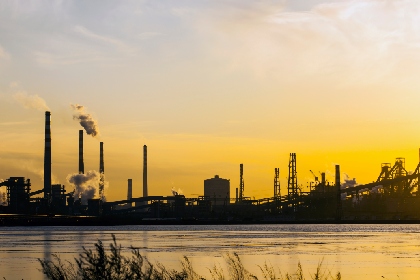
British industry groups have warned in interviews with the Financial Times that the government's planned carbon border tax, due to come into force in January 2027, is fundamentally flawed and risks accelerating deindustrialization rather than supporting decarbonisation.
The steel, cement and chemicals sectors say the UK Treasury has failed to address the industry's repeated problems and is developing a system that could leave domestic producers worse off than overseas competitors.
Steel sector warns of distorted competition
The current design of the UK's carbon border mechanism will favor imports over domestic production and undermine investment decisions in low carbon technologies.
Frank Aaskow, director of climate change policy at UK Steel, said the government was ignoring evidence-based warnings from industry and was deliberately setting the country towards industrial decline. Similar concerns have been raised by the Mineral Products Association, which represents the cement sector, and the Chemical Industry Association, which covers fertilizer producers.
Deviation from the EU CBAM model
The UK scheme follows the European Union's Carbon Border Adjustment Mechanism (CBAM), which has joined into force in January 2026 and applies to imports of iron and steel, cement, aluminum, fertilizers, electricity and hydrogen.
Although both systems are aimed at preventing




There are no comments yet.