

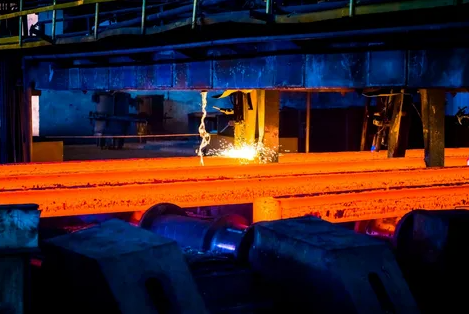
The Carbon Boundary Adjustment Mechanism (CBAM) was designed to prevent emissions from shifting, but paradoxically, it puts European foundries in crisis.
The main problem concerns regulatory errors. European foundries must import raw materials (such as pig iron and ferroalloys) - as local resources are insufficient to meet demand - paying a carbon tax of up to 35 percent. On the other hand, manufacturers from non-EU countries can use their own raw materials or purchase them at a low price in Russia to produce finished products or semi-finished products that they will export to Europe without paying any duties, since such products are classified according to customs codes that are not subject to CBAM.
Risks for the foundry industry
According to Fabio Zanardi, president of Assofond, the industry is going through a period of extreme fragility. In addition to extremely low margins due to energy costs and market weakness, Italian and European foundries face the risk of losing their competitiveness, as rising prices will make them too expensive compared to competitors from non-EU countries that do not pay taxes on raw materials.
In addition, it should be



There are no comments yet.