

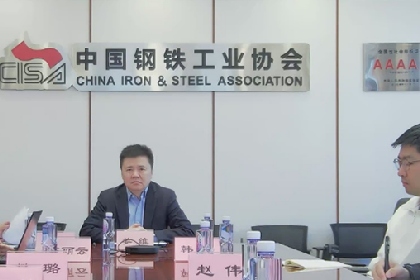
The symposium gathered more than 140 participants, including representatives of major manufacturers such as China Baowu Steel Group, Ansteel Group, HBIS Group, CITIC Pacific Special Steel, Nanjing Iron and Steel, Jiangsu Shagang Group and Delong Steel Group. Stakeholders from both the extractive and processing industries also participated in the discussions.
As steel is included in the first phase of CBAM implementation, Chinese manufacturers are expected to face higher export costs and stricter disclosure requirements for detailed carbon footprint data. Given that the EU remains a key export market, the financial and operational impact is expected to be significant.
Potential expansion towards processing products
According to CISA, the EU is considering expanding CBAM coverage to about 180 steel and aluminum-intensive products by 2028.
These include machinery, automotive components, and household appliances, which could significantly increase the impact on indirect steel exports from China, especially in high-value-added segments.
Concerns about methodology and compliance
Industry participants expressed concern about high default emission values, which could lead to higher carbon costs for exporters.
Additional challenges include pre-verification requirements, emission calculation methodologies, data security, and lack of regulatory clarity.
Permanent China-EU dialogue
Officials from China's Ministry of Ecology and Environment noted that CBAM regulations are still evolving and are influenced by both climate and trade considerations. The ministry confirmed ongoing technical discussions with EU counterparts to ensure recognition of China's domestic emission factors and strengthen its carbon data infrastructure.
The discussions highlighted the need for closer cooperation between China and the EU on carbon market mechanisms and standardization. CISA said it would collect industry feedback and provide policy recommendations.




There are no comments yet.