

On a similar comparative basis, HRC production increased by 114 percent to 128,100 tons, CRC production increased by
Compared to March 2025, the data shows that steel production increased by 17.1 percent, HRC production decreased by 32.3 percent, CRC production decreased by 8.9 percent, and long products increased by 3.3 percent. percent.
The AA said in a statement that the steel value chain in Argentina is experiencing a serious downturn, with production declining by more than 10 percent year-on-year, and idle capacity in some segments reaching 60 percent. AA added that weak domestic demand is being compounded by import pressures – especially from China, which is saturating global markets with subsidized steel – while Argentina's national, provincial and municipal tax burden is hampering local value-added production.
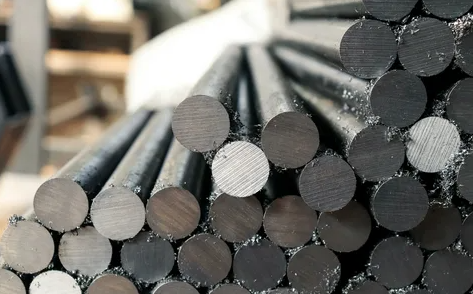
AA added that in this scenario, the energy sector (Vaca Muerta), agriculture and freight transport (trailers and semi-trailers) remain the true drivers of steel demand. On the contrary, other key segments are showing weakness: civil engineering is still concentrated on a few private projects that consume concrete in the initial stages, while the automotive industry is suffering from paradoxical sales growth, but with a decrease in domestic production due to the weight of imported cars. On a similar comparative basis, HRC production increased by 114 percent to 128,100 tons, CRC production increased by 63.2 percent to 80,400 tons, and long products production increased by 43.9 percent to 127,500 tons.


There are no comments yet.