

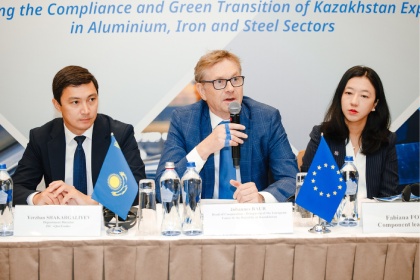
The study, developed as part of an EU-funded project, assesses the potential impact of CBAM on Kazakhstani exporters and describes measures to support their transition to low-carbon production and reporting.
Janelle Kushukova, Deputy Minister of Trade and Integration of Kazakhstan, said that the EU will account for approximately 31 percent of Kazakhstan's foreign trade and about 44 percent of its exports by the end of 2025.The report outlines a roadmap for compliance
The report examines the effects of CBAM on Kazakhstan's aluminum, ferrous, and steel industries and provides a step-by-step compliance roadmap to help exporters adapt to changing sustainability requirements. The recommendations include improving emissions reporting practices, strengthening cooperation with European clients, and increasing competitiveness in the EU market.
According to the assessment, Kazakhstan's aluminum, ferrous metallurgy, and steel enterprises are likely to face increased reporting and compliance obligations as CBAM evolves, underscoring the importance of early preparation and compliance with international standards for emissions verification and reporting.Johannes Baur, Head of the Cooperation Department at the EU Delegation to Kazakhstan, said that greater transparency and sustainable reporting could help Kazakhstan's exporters remain competitive in changing international markets. He stressed the importance of continued cooperation between government agencies, businesses and international partners.
Deputy General Director of QazTrade Nurlan Kulbatyr said that Kazakhstan has already begun efforts to help industrial exporters adapt to the new EU requirements in order to minimize compliance costs while maintaining competitiveness in the EU market.The steel sector is expected to have the biggest impact
According to Joost Pauwelin, an international expert at the ITC and the lead author of the report, Kazakhstan currently exports annually




There are no comments yet.