

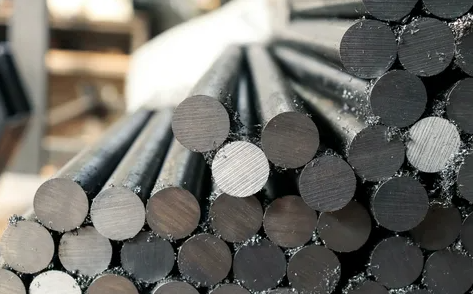
India's imports of iron ore and pellets reached about 4.8 million tonnes in January-May 2026, up nearly 50 percent year-on-year from 3.2 million tonnes last year, as major domestic steelmakers increased supplies from Brazil, South Africa and the Middle East amid rising steel output.
In May, imports were flat. 1.24 million tons compared to 0.98 million tons in April, of which 1.06 million tons were iron ore fines and pieces, and the remaining 0.17 million tons were pellets. Although BigMint recorded pellets being unloaded at the port of Kandla from Porto do Au, Brazil, sources said the cargoes were intended to be transshipped and onward sent to Bahrain once geopolitical tensions in the region eased. Thus, the cargoes were not destined for consumption by Indian factories.
In May, the top importer was JSW Steel (0.72 million tonnes), while the largest supplier was Brazil (0.72 million tonnes), followed by South Africa (0.18 million tonnes) and Norway (0.16 million tonnes). Steel production at JSW increased in May following the restart of the Dolvi blast furnace and increased output at JSW Vijaynagar Metallics Ltd. This required an increase in ore imports in May.
Iron ore imports in January-May were estimated at 4.28 million tons, while pellet imports fell sharply to just over 400,000 tons amid conflict in the Middle East and shipping. disruptions.
JSW Group was the main buyer of imported ore, accounting for 85 percent of total imports during the period. On the other hand, Brazil was the largest exporter, accounting for 56 percent of total shipments in January-May.
Iron ore imports rose to 12.35 million tonnes in FY26, a seven-year high, driven by rising domestic demand for steel, rising demand for high-grade and low-grade ore, and supply constraints in key mining regions.
Factors driving iron. ore imports in Jan-May'26
Rising demand for high-grade ore:BigMint data shows domestic iron ore production Fe +65 percent fell to 11 percent of total production in FY26 from 20 percent in FY17. Iron ore imported from Brazil is generally high in iron (64–65 percent) and very low in silica. Indian ore typically has a very high aluminosilicate content. Thus, imported
There are no comments yet.