

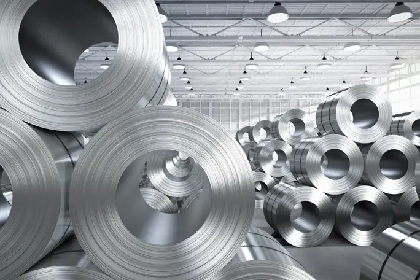
The companies said they remain committed to decarbonizing their operations, but believe that the current policy framework does not adequately support the transformation required by the steel sector. Together, the three steel companies account for about 60 percent of integrated steel production in Europe.
Companies refer to the lack of conditions for decarbonization
According to the companies, while ETS has contributed to reducing emissions in the energy sector, several key conditions necessary for economically viable industrial decarbonization remain underdeveloped. These include competitive electricity prices, affordable green hydrogen, carbon contracts for difference (CCfD), carbon capture and storage technologies, and lead markets for low carbon steel. The companies said that under the current structure, the cost of steel production in the EU could rise by about 50 percent by the early 2030s.
Meanwhile, steel producers argued that imported steel products are not subject to equivalent carbon costs, while steel exports from the EU are not compensated for carbon costs incurred under the ETS. According to their estimates, the lack of reforms may lead to a decrease in

There are no comments yet.