

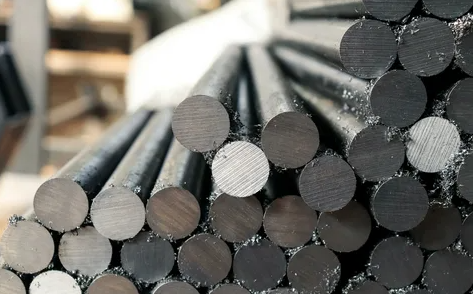
The UK government has announced a new approach to procurement that will place greater emphasis on national security considerations when awarding government contracts, a policy that could have implications for domestic steel suppliers serving strategic industries.
According to the Government, public procurement decisions will increasingly take into account the sustainability of the supply chain and security risks, along with traditional considerations of value for money.
Focus on secure and sustainable supply chains
Under the new structure, government departments and government agencies are expected to evaluate national security considerations when selecting suppliers for government contracts. The government stated that procurement decisions should help to increase the resilience of critical supply chains and reduce vulnerability in strategically important sectors.
For the steel industry, this policy can increase attention to the provenance, reliability, and security of steel supplies used in government infrastructure, defense, and industrial projects.
The steel industry is linked to strategic industries
Steel remains a key resource for sectors considered critical to national security, including defense, energy infrastructure, transportation networks, and major public construction projects.
The government's statement highlights the importance of ensuring that government spending supports secure supply chains that can withstand geopolitical and economic shocks.
These measures can strengthen the case for purchasing steel from domestic or reliable suppliers for projects where security of supply is considered a strategic priority.
Procurement policy aligned with the economic security of the target
The government said the reforms are part of a broader effort to strengthen Britain's economic security and resilience. According to officials, taxpayer-funded procurement should contribute not only to efficient government spending, but also to the protection of national interests and critical industrial opportunities.
For British steelmakers, this policy can be seen as part of a broader trend towards inclusion.




There are no comments yet.