

ArcelorMittal welcomed the introduction of the Carbon Border Adjustment Mechanism (CBAM) in January 2026 and changes to the EU Tariff Rate Quota (TRQ) system in July 2026, calling them an important first step towards creating a more level playing field for the European low-carbon steel industry. However, the company warned that more measures are urgently needed to protect the downstream steel industry.
The growing volume of imported steel derivatives that remain outside the scope of both CBAM and TRQ is undermining the effectiveness of EU trade and climate policies, according to Paul Brettnacher, marketing director at ArcelorMittal Europe - Flat Products. This is particularly affecting the electrical steel segment, as well as industries such as automotive and packaging, he said.
Rising imports threaten the electrical steel value chain in Europe
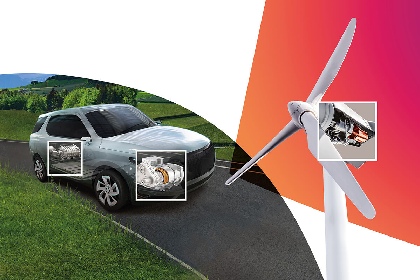
Brettnacher noted that non-grained electrical steels (NGOES), used in electric motors and generators are critical to Europe's energy transition as they are needed for wind turbines, electric vehicles and industrial engines. Citing the Electromechanical Synergy Network (ESN), he warned that without further action, Europe risks losing its domestic capacity to produce electric motors and generators, with implications for industrial employment, strategic autonomy and defense readiness.
He also pointed to growing global steel overcapacity, particularly in Asia and the Middle East, where new capacity is often supported by government subsidies. resulting in exports at prices that EU producers cannot match. Nearly two-thirds of NPOs used in Europe to make new electric motors and generators are currently imported from outside the EU, without being subject to equivalent trade or carbon measures.
ArcelorMittal proposes additional measures by 2027
Brettnacher called for CBAM to be extended to cover the entire NPO value chain, starting with first transformation steel derivatives such as laminations, stators and rotor cores to downstream products including electric motors and generators. He also called on the EU to extend its steel trade measures (TRQ) to the same derivatives and downstream products.
In addition, he called


There are no comments yet.