

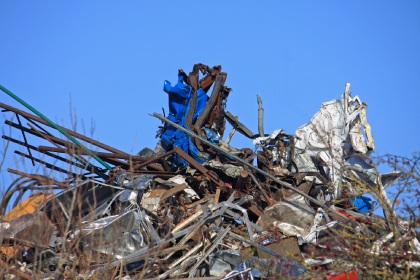
Weaker demand in Turkey puts pressure on European scrap exports
It was noted that weaker demand in Turkey also affected European exporters. In Scandinavia, prices for HMS 80/20 dropped by about seven percent in June as a result of declining customer interest in Turkey. Exporters are increasingly shifting their attention to alternative destinations such as Morocco and Spain.
In Germany, demand from steel producers remains generally stable, although supplies of new scrap and lathes are still limited. Supplies were also disrupted due to unreliable rail logistics, limited truck availability, lock maintenance, and periods of low water levels. In the UK, competition for scrap remains strong, especially for raw materials for crushing, despite lower export prices.
The U.
S. market is stable, while Asian buyers remain cautious
In the U.
S., demand for new steel remains healthy despite higher prices. Since scrap collection usually weakens during the summer months, price movements are expected to remain limited.
Across Asia, China's finished steel exports fell 8.1 percent year-on-year to 44.55 million tons between January and May, adding to pressure on the domestic market. Bangladesh continues to take a cautious approach to scrap imports amid weak demand for finished steel, significant excess steelmaking, rising costs and declining profitability of factories. Indian steel producers continue to prefer iron ore over imported scrap due to weaker steel demand and narrowing profitability, while buyers in Japan remain cautious due to higher prices, although the domestic market remains resilient. The statement claims that the pricing system




There are no comments yet.