

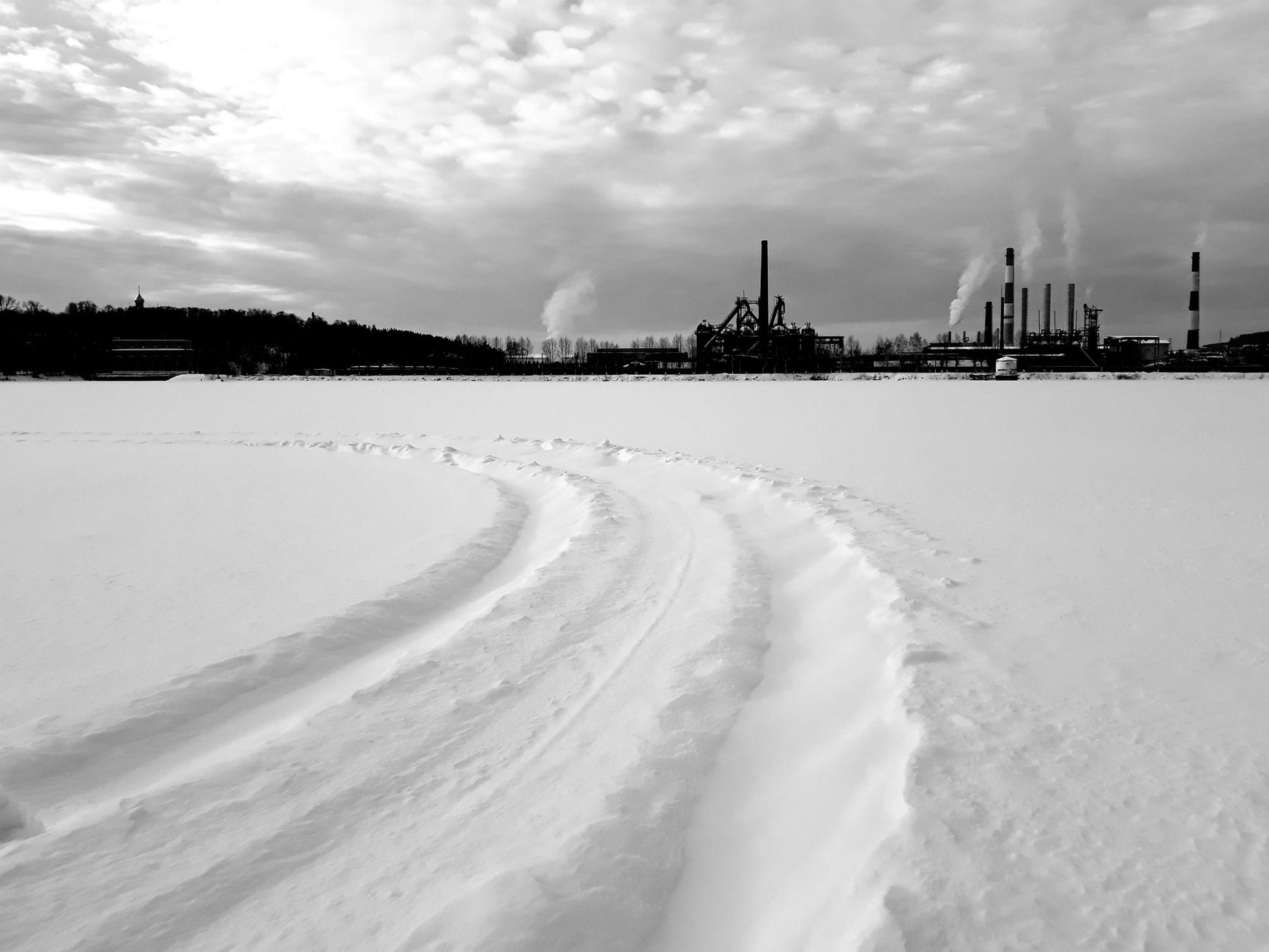
Emissions from industrial installations covered by the EU Emissions Trading System (EU ETS) fell 3.3% year on year in 2025. The European Commission identified iron and steel, cement and chemicals as among the main contributors to the decline.
The Commission’s report on the European carbon market says the Carbon Border Adjustment Mechanism (CBAM) has been gradually replacing free allowances in covered sectors, including iron and steel, since 2026. These sectors accounted for about 54% of all free allowances allocated in 2021–2025. Around 211 million allowances that will no longer be allocated for free in 2026–2030 as CBAM is phased in will be made available to the Innovation Fund. Initially, CBAM covers direct emissions from iron and steel but excludes indirect emissions associated with electricity use.
The Commission also proposed extending CBAM from 2028 to 180 downstream products that use substantial amounts of steel and aluminium. The list could include washing machines, industrial radiators and casting machines. The proposal aims to prevent companies from circumventing the rules by switching imports from covered basic materials to finished products outside the mechanism’s scope.
To address the risk of production moving to countries with less stringent climate rules, the Commission proposed a temporary decarbonisation fund. It would reimburse part of the carbon allowance costs incurred by companies in sectors competing with cheaper, more emissions-intensive goods from non-EU markets.
According to the report, 15 EU member states paid €6.9 billion in 2025 to compensate companies for indirect carbon costs incurred in 2024. In December 2025, the Commission expanded the list of sectors eligible for aid and increased the permitted level of support for some existing sectors. Companies must invest part of the aid in projects that reduce their direct or indirect carbon footprint.
There are no comments yet.