

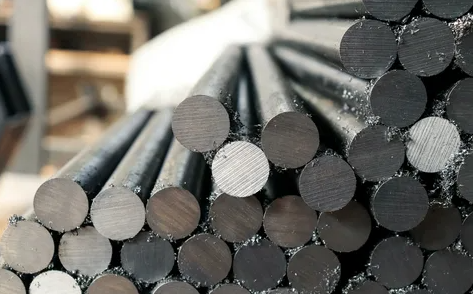
The default CBAM benchmark will reflect the "typical manufacturing process" for each CBAM product category. The data from verified suppliers can be used to demonstrate alternative production processes, which can lead to various applicable benchmarks representing the free quotas that a manufacturer would receive if these processes were carried out in the EU.
Updated built-in emission rules, default values and price listThe Commission stated that the rules for calculating CBAM emissions will undergo minor changes compared to the transition phase.
The default values will be published in the fourth quarter of 2025 as an annex to the executive order on the calculation of emissions. These default values will be set for all trading partners. No details were provided regarding potential surcharges, except for the requirement that they be high enough not to benefit emissions-intensive producers.
Meanwhile, in 2026, the Commission will collect data on the actual carbon prices paid in exporting countries, including rebates and discounts. Default carbon prices will be published in 2027 through the CBAM registry. Documentation requirements for confirming actual carbon prices will be developed jointly with the authorities of third countries.
The verification rules accurately reflect the EU ETS
According to Carboneer's analysis of the leaked draft rules, CBAM verification procedures will repeat the practice of the ETS to establish parity between manufacturers from the EU and non-EU countries:
- Non-EU manufacturers are required to monitor and report emissions in accordance with standardized CBAM methodologies.
- Verifiers perform risk assessments, conduct on-site or virtual visits to enterprises, and conduct detailed checks of accounting data.
There are no comments yet.