

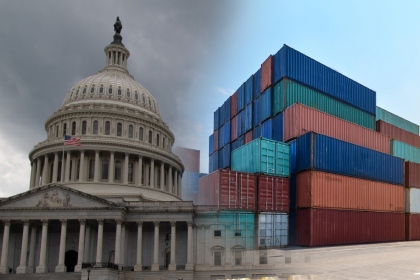
The International Monetary Fund (IMF) said it maintained its forecast for global economic growth at 3.3 percent, citing greater resilience than previously expected despite U.S.-led trade disruptions and heightened uncertainty.
Global growth is slightly higher than previous estimates and broadly unchanged from last year, according to the IMF's latest forecast. The stability reflects stronger-than-expected economic performance in the US and China, supported by easing trade tensions, fiscal stimulus, favorable financial conditions and improved policy frameworks in several emerging economies.
It should be noted that the forecast was completed prior to recent geopolitical events, including the US takeover of the Venezuelan President, political unrest in Iran and renewed US tariff threats related to the Greenland.
AI Investment Supports Activity as Manufacturing Lagging
A key driver of global resilience has been a surge in investment in information technology, especially artificial intelligence.
While global manufacturing activity remains weak, US IT investment has risen highest share of output since 2001. This has supported broader business activity and created spillover effects for global technology exporters, especially in Asia.
Rising stock prices and strong corporate earnings underpinned this expansion, although increased reliance on debt financing led to




There are no comments yet.