

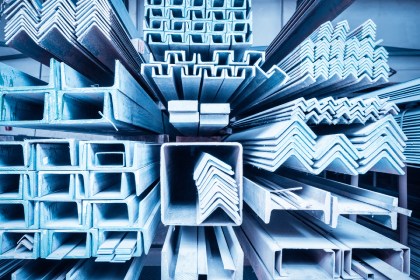
Thailand's steel industry said prices across all product categories are expected to rise 10-15 percent in April as producers respond to rising price pressures linked to global market volatility, according to Thai media reports.
Industry officials said a second round of price hikes could follow in May if energy and logistics costs continue grow.
Cost pressure drives pricing. adjustments
Manufacturers have previously tried to offset rising costs, but the cumulative impacts throughout the supply chain have made this approach unsustainable.
The price adjustments will be broadly applied to all steel products, according to Nawa Chanthanasurakon, vice-chairman of the Federation of Thai Industry.
Import dependence increases impact
Thailand's steel sector remains heavily dependent on imported raw materials, especially scrap, due to a lack of domestic iron ore resources.
This structural dependence exposes producers to fluctuations in global energy prices, freight rates and raw material costs. quickly reflected in domestic production costs.
Multiple cost drivers add pressure
Steel producers are currently facing four key cost challenges: higher transportation costs associated with rising energy prices, higher fuel costs in production, higher freight rates amid global shipping volatility and the projected increase in electricity prices. These combined factors have pushed the industry toward inevitable price increases.
Calls for trade remedies
In response, the industry is calling for anti-dumping measures and increased government support to help remain competitive in the domestic market. Manufacturers say additional protections may be needed to offset the impact of rising costs and external market pressures.
Despite the challenging pricing environment, no layoffs have been announced as ongoing government infrastructure projects continue to support domestic steel demand and production levels.




There are no comments yet.