

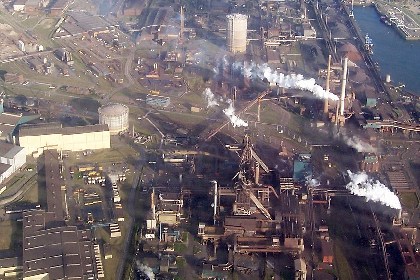
Tata Steel Nederland is considering options for its two coke plants in IJmuiden as growing environmental and regulatory pressures raise the risk of potential closure, according to Dutch media reports.
The plants convert coal into coke used in blast furnace steelmaking and have long been under scrutiny for emissions.
Emissions Concerns and Regulatory Pressure
Coke plants have been criticized for emitting heavy metals and carcinogens such as benzene. Tata Steel has already paid €8.5 million in fines for environmental violations, with more fines expected as regulatory oversight increases. Local authorities and residents have called for immediate action, with the closure of the old coking plant seen as the fastest way to reduce health risks. However, the company said that closing the plants in the short term is not economically viable.
The issue is part of wider discussions about the future of Tata Steel Nederland, including a proposed €2 billion package of government subsidies aimed at cutting emissions by 2030 , as SteelOrbis previously reported. Tata Steel has committed to investing an additional €4 billion as part of the transition plan, with subsidies tied to specific milestones and subject to withdrawal if conditions are not met.
Political and economic concerns
The subsidy proposal has been criticized by lawmakers, with some questioning questioned the company's ability to meet its obligations and called for stricter enforcement measures.
In addition, a group of economists warned that such financial support could be cost-ineffective and risky, although concerns were also raised about the potential impact of government assistance and the company's exposure to legal liability.
Long-term viability associated with the green transition
Tata Steel Nederland accounts for about 10 percent of total carbon emissions in the Netherlands. Analysts suggest the company's long-term viability depends on a shift to low-level production methods.




There are no comments yet.