

The European Union has announced that it has reached a preliminary agreement on significant amendments to the Carbon Border Adjustment Mechanism (CBAM), expanding its scope, strengthening compliance requirements and introducing new measures aimed at preventing carbon circumvention and leakage. According to the EU, the changes are aimed at increasing the effectiveness of CBAM while reducing the administrative burden and increasing the accuracy of emissions reporting.

The scope of CBAM has been expanded to include downstream products
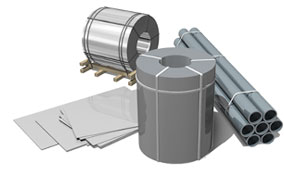
One of the most significant changes is expanding CBAM coverage to a wider range of downstream and downstream products. In addition to basic materials such as iron and steel, aluminum, cement, fertilizer, electricity and hydrogen, the mechanism will be applied to a wider range of industrial products containing these materials.
New product categories include certain machines, metallurgical equipment, cranes, forklifts, conveyors, refrigeration equipment, water heaters and various industrial components. The expanded coverage aims to reduce the risk of carbon leakage further down the value chain.
More emphasis on actual emissions data
The revised system places greater emphasis on the use of actual emissions data. Embedded emissions from starting materials and precursors will be included in emissions calculations for finished products, particularly in the iron and steel, aluminum and composite metal products sectors. Operators will be required to keep detailed records and provide better information to support emissions calculations.
New anti-circumvention measures introduced
To tackle problems of circumvention, the European Commission is introducing regulations against abuse and so-called "harmful shuffling of resources" when low-emission products are sent to the EU market and products with higher emissions are sold elsewhere.
The Commission will have the power to identify high-risk product and country combinations, require additional evidence from importers, set special conditions for the use of actual emissions data, and take corrective action when necessary.
Tightening requirements for verification and compliance




There are no comments yet.