

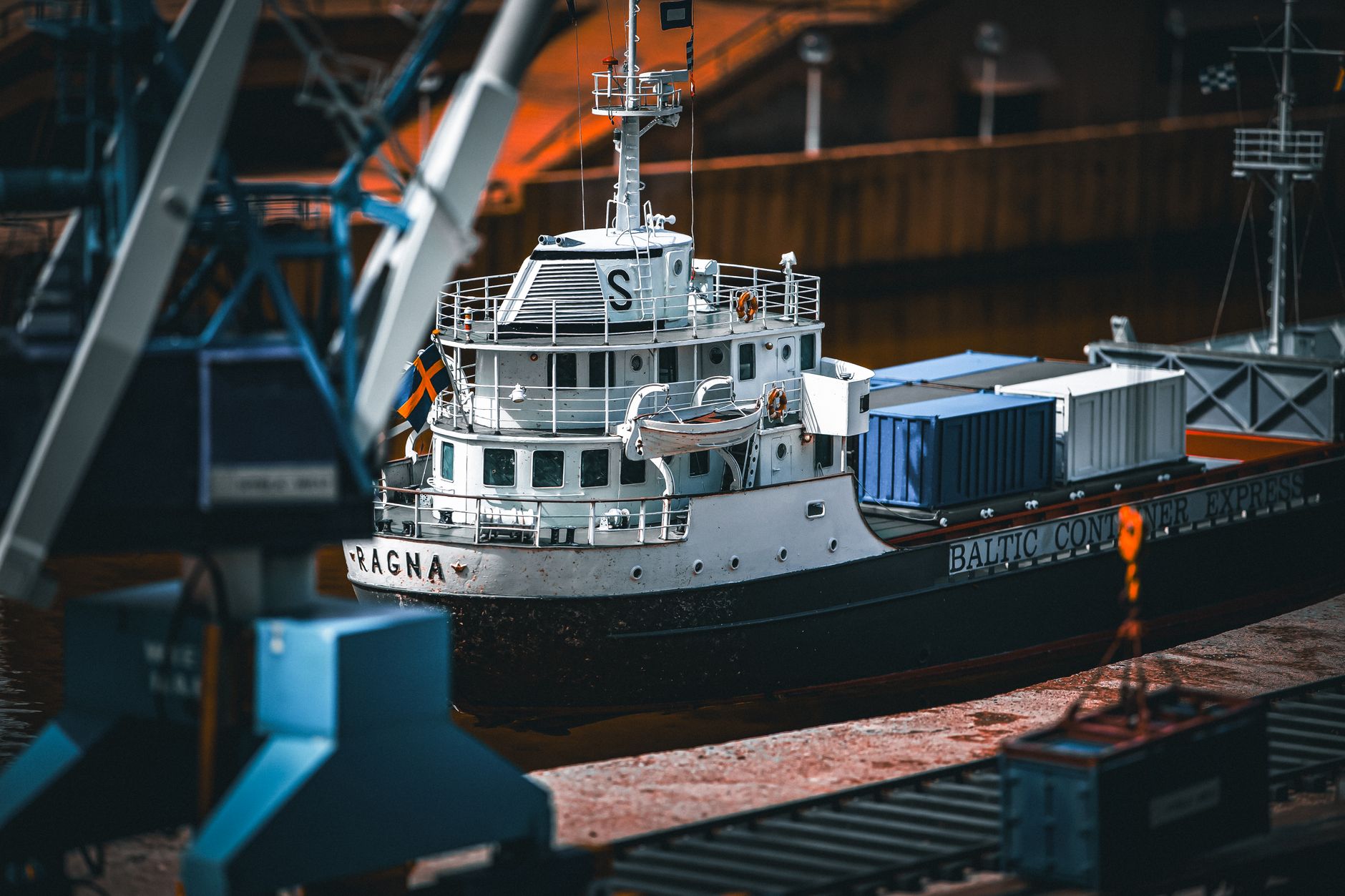
Russian steel and raw-material suppliers are facing higher shipping costs through the Baltic as grain exporters take up vessels during the peak export season and pay more for freight. Steel cargoes have been redirected to the country’s northwest after shipments through the Black Sea and Sea of Azov fell amid heightened security risks.
According to Russian industry data, metal shipments from the Black Sea–Sea of Azov region fell 54% year on year in July and August, from 1.86 million to 860,000 metric tons. The main alternative destinations for steel cargoes are St. Petersburg and Murmansk, alongside Ust-Luga, Primorsk, Vyborg and Kaliningrad.
Seasonal grain exports have sharply increased demand for vessels. A raw-material supplier told SteelOrbis that freight for 20,000-metric-ton cargoes is $80–90 per ton, while 30,000-ton lots cost about $70 per ton. Grain exporters are paying even more. In the scrap segment, shipping 25,000–30,000 tons to Turkey recently cost $70–80 per ton.
Steel freight has also risen. Suppliers put the rate for 35,000–40,000 tons of hot-rolled coil to Turkey at $62–65 per ton. Market participants expect rates of $55–60 per ton for 40,000–50,000-ton cargoes bound for North Africa in December. A Russian producer said the grain factor could ease by then, leaving seasonality and fuel costs as the main influences on freight.
Rail transport has become another constraint. Tariffs rose 8.5% in early October, while railway authorities have increasingly rejected applications to ship steel, cut allocations and canceled previously agreed shipments. Market participants cite slow unloading at some northwestern ports, shortages of locomotives and staff, and delays in removing empty wagons from port-side stations.
Russian steelmakers have asked the transport minister to give steel and steelmaking raw materials temporary priority in the use of northwestern ports. An industry source said that, unlike grain, steel has no such priority measures, pushing up delivery costs and weakening the competitiveness of Russian products. Overland transport costs are 20–30% higher than shipments through traditional ports. Rail delivery from southern regions can add $50–60 per ton or more, depending on distance. With global supply already abundant, a source told SteelOrbis, those costs cannot be recovered through product prices.
Market participants see the shift to Baltic and northern ports as potentially temporary. Despite their combined capacity, the ports face congestion and lack equipment to handle some types of cargo. A source familiar with the situation described Russia’s rail system as lacking fixed rates and schedules, with access to wagons going to those willing to pay more.




There are no comments yet.