

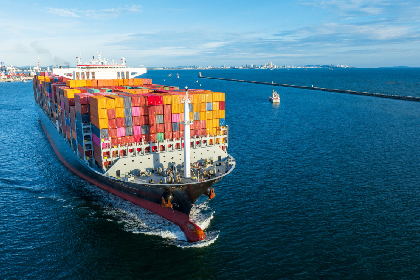
About 10% of global seaborne iron ore supply — roughly 160 million mt a year — is now unprofitable as fuel and freight costs rise amid the Middle East conflict. Vale CEO Gustavo Pimenta told Bloomberg on October 16.
According to Pimenta, about 15 million mt of supply has already been withdrawn from the market as costs climbed. He said current prices should be higher to reflect increased freight and fuel expenses. Output cuts by higher-cost producers could help rebalance the market, though the timing of a recovery remains uncertain.
Singapore iron ore futures fell below $90/mt in the week of October 16, reaching a two-year low. They have declined about 15% since the start of 2026. Weak Chinese demand and ample supply, including future volumes from Guinea’s Simandou mine, have weighed on the market. Pimenta nevertheless expressed confidence in Chinese demand.
Cost pressures were also reflected in Vale’s second-quarter results: iron ore all-in costs rose 18% year on year to $61.6/mt, partly because of higher freight rates. C1 cash costs, excluding third-party purchases, increased 9% to $24.1/mt, mainly due to the appreciation of the Brazilian real.
Vale revised its 2026 guidance to $22.5–23.5/mt for C1 cash costs and $58–62/mt for all-in costs. The company cited the stronger currency and higher oil-price assumptions as the main factors behind the change.




There are no comments yet.