

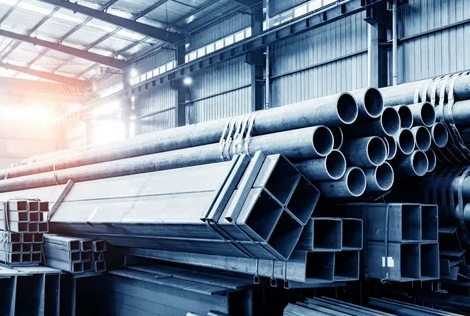
According to information provided by the German Steel Federation Wirtschaftsvereinigung Stahl (WV Stahl), steel production in Germany fell 2.6 percent year-on-year to 2.84 million tons in November this year. In the first 11 months of this year, Germany's crude steel production fell 9.3 percent year-on-year to 31.35 million tons.
In the month, German pig iron output was 1.87 million tons, down one percent, and in January-November it was down 10.7 percent year-on-year to 19.89 million tons. and year-on-year.
In November, the country's hot-rolled steel production rose 0.4 percent year-on-year to 2.50 million tons, while declining 6.5 percent to 27.50 million tons in the first 11 months of this year, compared with the same periods the previous year.
V.
V. Stahl stressed that German steel production continued its downward trajectory in November. 2025, highlighting the ongoing pressure on the country's steel industry. This confirmed that production remains well below the level required to sustainably utilize capacity. For the full year, production is forecast to reach only about 34 million tonnes, marking the fourth year in a row that production has fallen well short of the 40 million tonnes threshold considered necessary to adequately utilize installed capacity. As a result, overall market conditions for steel producers remain extremely challenging.
Import pressure and energy costs are putting pressure on the industry
According to WV Stahl, the industry's difficulties are exacerbated by increasing import pressure on the EU steel market and persistently high energy costs at production sites. The share of steel imports in the EU market has recently risen to around 30 percent, a level the industry sees as unsustainable and damaging to the competitiveness of domestic producers.
WV Stahl CEO Kerstin Maria Rippel said the renewed decline in production was a clear warning sign. She said the figures highlight the serious consequences of Germany's inadequate steel production conditions, adding that growing import pressure is putting the entire European steel industry under acute stress.
Against this backdrop, Rieppel called for swift and decisive action at EU level.
There are no comments yet.