

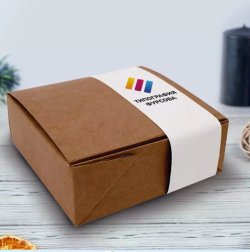
The shell is a paper or cardboard sleeve that is put on a box, jar or set. It acts as the outer layer. With its help, the product is easier to recognize and easier to choose. It is convenient to display the name, flavor or variant, short benefit, mandatory data and neat graphics on the sleeve. At the same time, the main packaging can remain basic, without constant alterations.
How the shell helps the buyer
The buyer rarely reads the packaging for a long time. He compares similar products and looks for time-saving features. The shell provides such navigation. You can put the main emphasis on it, and leave the secondary one as a calm background. Then a person quickly understands what is in front of him and does not confuse the ruler options.
There is also a visual effect. The sleeve adds a sense of thoughtfulness. When the design is assembled, the font is readable, the margins do not put pressure on the eyes, and the packaging is perceived more neatly. This is not about pathos, but about trust. In gift and premium products, this little detail often decides whether the product will be picked up.
Why companies choose shells
The shell often helps out where the box has already been approved, but the problem needs to be solved quickly. A new product was released, a promotion began, a holiday series appeared, the composition or labeling requirements changed. The sleeve allows you to update the outer layer without disturbing the base packaging. This is easier for the warehouse and logistics, and usually faster in terms of time.
The shell also helps to assemble the kits. When there are multiple items in a set, the sleeve makes it look like a single product rather than disparate items. This is important for the shelf. It is also important for issuing orders, because the kit looks complete.
Where shells are especially appropriate
Most often, shells are made for cosmetics, candles, tea and coffee, chocolate, farm products, souvenirs, children's sets, hobby goods and small equipment. Where appearance influences the decision, the sleeve works especially noticeably. It also helps with online sales. The product has a clear accent that can be read in the photo and makes the card clearer.
Requirements for shells that cannot be ignored
The most important thing is the landing. The sleeve should be put on without tension and should stay in place without slipping at the corners. It is necessary to choose the place of the junction in advance so that it does not fall on the main text and does not break the composition. If there is a lot of information on the shell, it is better to arrange it by priority. First the name and key difference, then the properties, then the required data.
Material and finish also affect the result. Thick paper and cardboard hold their shape, textures add tactility, and protective coatings help if the packaging is touched frequently and is being shipped. These solutions should be tied to a real use case,