

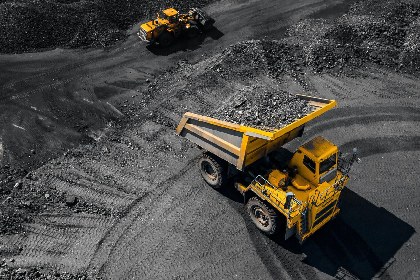
According to an analysis by the Institute of Energy Economics and Financial Analysis (IEEFA), India's planned expansion of crude steel production capacity to 300 million tons per year by 2030 increasingly exposes the structural vulnerabilities associated with heavy dependence on imported metallurgical coal.
The report notes that nearly 90 percent of India's metallurgical coal demand is currently met by import. With blast furnace capacity of about 182 million tons per year planned or under construction, additional coal demand could rise by about 140 million tons per year, increasing exposure to global price volatility and supply disruptions.
Although the government's Mission Coking Coal initiative aims for domestic production of 140 million tons by 2030, projected growth in steel production capacity as expected to continue to outpace local supply expansion.
Hydrogen-based DRI seen as long-term strategic path
IEEFA identifies direct reduction in iron-electric arc furnace production as a viable route to reduce coal consumption. While gas-based DRI can reduce emissions compared to conventional blast furnace production, continued dependence on imported natural gas limits long-term energy security benefits.
In contrast, green hydrogen produced using domestic renewable energy sources is seen as a more sustainable solution that can reduce both emissions intensity and dependence on imported feedstocks.
Forecasts indicate




There are no comments yet.