

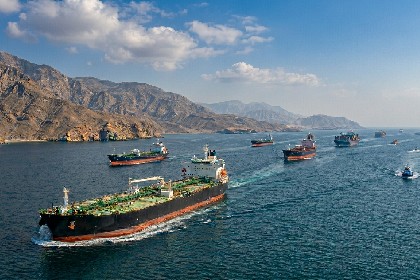
According to the United Nations Conference on Trade and Development (UNCTAD), ongoing geopolitical tensions in the Strait of Hormuz have led to serious disruptions to global maritime trade, with serious implications for energy markets, freight costs and supply chains.
UNCTAD said the Strait of Hormuz remains one of the world's most important maritime chokepoints, through which about 25 percent of global seaborne oil trade passes, and also significant volumes. liquefied natural gas (LNG) and fertilizers.
Shipping ground, energy flows at risk
Daily ship transit through the strait fell by about 97 percent in early March compared with the February average, according to UNCTAD, underscoring the severity of the disruption. The organization stressed that energy supply risks are particularly relevant to Asia, which accounts for more than 80 percent of crude oil and LNG flows along the route.
Energy prices rise amid supply challenges
UNCTAD said oil and gas markets responded immediately to the disruption. Between February 27 and March 9, oil prices rose 27 percent, with Brent crude topping $90 a barrel and gas prices rising 74 percent.
The agency noted that higher energy prices are expected to contribute to broader price pressures, including transportation, fertilizer and food.
Rising costs for freight, fuel and insurance
According to UNCTAD, shipping costs have increased sharply since the situation escalated. Tanker freight indices have risen significantly and bunker fuel prices have nearly doubled in a short period.
In addition, war risk insurance premiums for ships have risen, pushing voyage costs from around US$250,000 to as much as US$1 million for a US$100 million ship, depending on the level of risk.
Fertilizer trade disruptions cause food supply problems security
UNCTAD highlighted that about one-third of global maritime trade in fertilizers passes through the Strait of Hormuz, making disruptions particularly critical for agricultural markets. The organization warned that reduced availability of fertilizers and rising gas prices could lead to higher fertilizer costs, which have historically correlated with rising global food prices.
Developing economies face increased risks
The current turmoil is occurring at a time, according to UNCTAD.




There are no comments yet.