

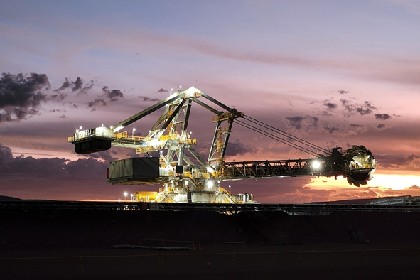
High production performance in Pilbara
In the first quarter, Rio Tinto's global iron ore production reached 82.8 million tonnes, an increase of 12 percent year-on-year, while Pilbara's output was 78.8 million tonnes, up 13 percent from last year. This is the second highest production level in the region in the first quarter since 2018.
The increase was driven by improved operational efficiency, continued investments in mine productivity, and a relatively lower number of weather-related disruptions compared to the previous year.
Cyclones affected supplies
Despite high production volumes, sales growth remained limited. Global iron ore sales increased by just 2 percent year-on-year to 75.7 million tonnes, while Pilbara shipments also increased by 2 percent to 72.4 million tonnes.
Severe weather played a key role in limiting volumes. Tropical cyclones Mitchell and Narelle disrupted logistics in the Pilbara, reducing shipments by about 8 million tons in the quarter. The company expects to recover about half of these losses in the coming periods.
Sales were conducted using various pricing mechanisms, including spot and indexed contracts, with 25 percent on FOB terms, while the product range remained generally stable.
Different indicators for other iron ore assets
At Iron Ore Company of Canada, production dropped 13 percent year-on-year to 3.4 million tons, while sales dropped. by 3 percent to 3.3 million tons, mainly due to adverse weather conditions and operational problems.
Meanwhile, the Simandou project in Guinea continued to develop, with production of 600,000 tons recorded in the first quarter and the first shipments shipped to China. The first commercial sales of Simandou were realized in April, which was an important step in the launch phase of the project.




There are no comments yet.