

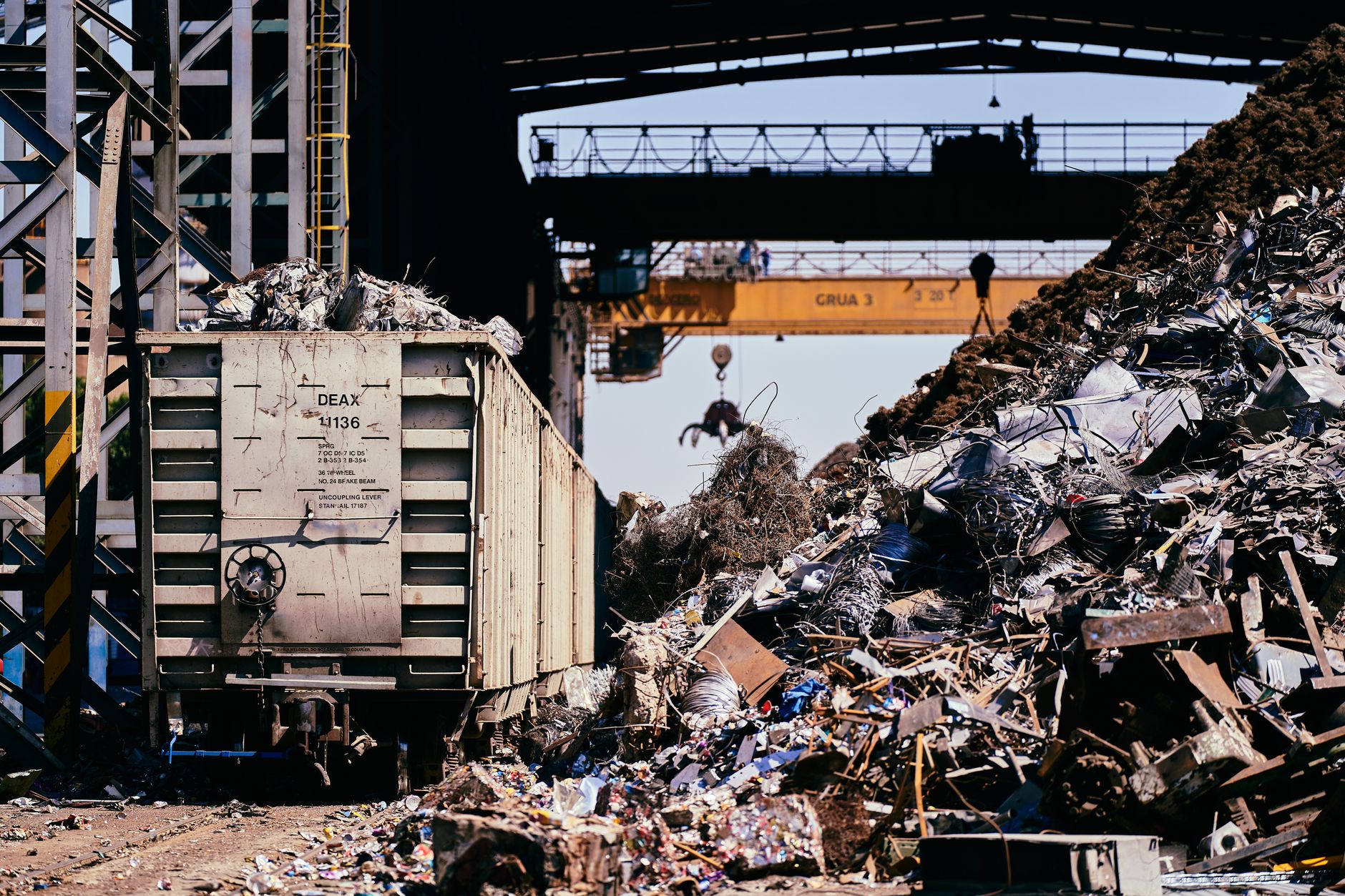
Italy’s ferrous scrap market ended October with lower prices and mounting difficulties delivering material to steel mills. Assofermet said its short-term outlook remains negative despite limited supply and a late-month recovery in international prices.
The main problem was mills’ ability to accept deliveries. In the final week of October, scrap collectors and processors faced widespread obstacles, as steelmakers were unable to receive cargoes. With electric-arc furnace output reduced, prices fell by €10–15 per tonne in the final two weeks of the month, also affecting contracts for November delivery.
According to the association, mills are seeking further price cuts. Holiday shutdowns could begin as early as mid-December and last longer than usual, potentially bringing tighter restrictions on scrap deliveries. Traders are trying to defend late-October price levels, supported by weak domestic collection volumes and firmer signals from international markets.
In Turkey, buyers managed to lower scrap prices by $7–10 per tonne in October, particularly in negotiations with European suppliers. Turkish mills returned to the market at the end of the month, allowing prices to recover their earlier losses. Demand in Asia also showed signs of improvement, although modest price gains have yet to consolidate. Egypt almost doubled its scrap imports to support domestic production. In North Africa, buyers are reassessing sourcing strategies in response to the European Commission’s draft ban on waste exports to non-OECD countries from May 21, 2027.
Prices across Europe fell by an average of about €5 per tonne. In Germany and France, declines of around €1–5 reflected low steel consumption, limited supply and transport problems caused by low river levels.
Other market segments
Purchases of stainless steel scrap remained very low in October. Arriving imported slabs reduced mills’ urgency to secure material, and prices gradually declined in the second half of the month. Limited manufacturing scrap generation and traders’ efforts to preserve stocks helped curb the fall. India remained an important outlet, but Assofermet expects purchases to be limited to essential requirements until early 2027.
Pig iron and direct reduced iron markets were also weak as mills focused on cutting costs and inventories. Brazilian pig iron deliveries continued regularly, while lead times for Ukrainian material remained uncertain. Hematite pig iron held on to modest previous price gains, supported by higher costs for non-EU material and freight, alongside low inventories.
Demand for bulk ferroalloys remained weak, but prices were stable or edging up amid energy and logistics costs and production difficulties caused by adverse weather in Asia. Assofermet reported that prices for noble ferroalloys had already risen, with further increases possible and some products difficult to source.




There are no comments yet.