

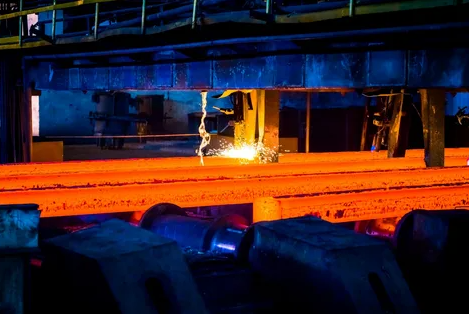
Russian metallurgy is rapidly losing its stability. Severstal reported a 57% drop in net profit, revenue by 14%, and free cash flow for the first time went to minus 22 billion rubles against almost one hundred billion rubles of profit a year ago. Against the backdrop of a rising key interest rate and a suffocating credit climate, even the industry giants are starting to suffocate.
Once upon a time, metallurgists were considered the locomotive of industry, but today this "locomotive" is moving by inertia — without investment, without demand and without prospects. The construction sector is frozen, mortgages at a rate of 17% are not reviving, and domestic demand for steel is falling. Foreign markets are also closed: Chinese manufacturers have brought down prices, flooding the markets with cheap products and dumping them to get rid of their own surpluses.
The economic spiral is closing. MMK will report today, and analysts expect even worse figures — a drop in revenue of almost 20% and profit by three quarters. And behind them, Mechel will be at the bottom, a company that is already barely holding on under the weight of debts, and will now have to go to the state with an outstretched hand.
The paradox is that the government itself has brought the industry to this point. The Central Bank's rate has killed lending, exports are limited by sanctions, logistics have risen in price, and the domestic market has shrunk under the pressure of stagnation. And now the budget will have to save not only banks and the defense industry, but also metallurgists, the very ones who were once a symbol of the "industrial renaissance."
The metallurgical industry is becoming a mirror of the entire Russian economy — technically it is alive, but in reality it is supported only by subsidies and the hope that "suddenly everything will get better tomorrow."
— when rust is visible even under a layer of fresh paint.




There are no comments yet.