

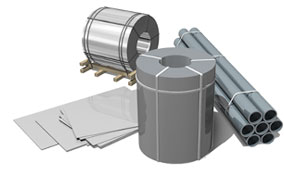
As negotiations on a free trade agreement between the EU and India draw closer to a conclusion, a coalition of European manufacturers, including the steel, ferroalloy, aluminum and ceramic industries, has issued a joint statement calling on EU policymakers to fully address industry concerns before finalizing any agreement, according to a statement from the European Steel Association (EUROFER).
The associations reaffirm their support for open, rules-based trade and the EU's efforts to diversify trade, especially after the renewal of U.
S. protectionism. However, they stress that such a trade policy should not be implemented at the expense of Europe's industrial base.
Concerns about overcapacity, subsidies and unfair competition
The statement highlights several major risks if the deal takes place without guarantees. Indian manufacturers benefit from cheap access to natural resources, government support, and export-oriented policies, giving them a structural advantage over European firms operating under strict environmental, labor, and climate regulations.
Given this competitive asymmetry, EUROFER warns that without an industry-wide protective approach, the European steel and steel industry will face "serious market distortions" and risk losing its viability.
Calls for protection: CBAM integrity, fair rules, no exceptions
As part of its demands, the coalition insists on:
- No exceptions or preferential treatment for India under the Carbon Boundary Regulatory Framework (CBAM). They argue that granting India special treatment would undermine the EU's climate ambitions and put at a disadvantage European manufacturers who comply with the requirements.
- Strict compliance with EU environmental and labor standards; the agreement should include reliable provisions on sustainable development and social work.
- A level playing field that recognizes that significant investments by European manufacturers in decarbonization, recycling, and clean steel technologies are at risk if cheaper and carbon-intensive imports flood the market.
Why this is important - for industry, climate policy and the economic future of Europe
The results of the negotiations




There are no comments yet.