

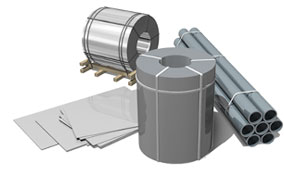
A new report from the UK-based UK Steel trade association and the circular steel subcommittee of the association warns that the UK is facing a critical shortage of scrap metal as the capacity of domestic electric arc furnaces (EDPS) increases.
Although the UK produces about 10 million tons of steel scrap each year, more than 80 percent is exported, often returning as imported finished products, undermining domestic producers.
Export markets usually accept scrap with a higher impurity content, and foreign refiners, often working with lower costs and more advanced technologies, recycle British scrap into high-quality raw materials. Meanwhile, domestic processors have had little incentive to invest in modern crushing, sorting, and refining technologies due to the historically limited domestic EDP market. As the UK steel sector undergoes its largest restructuring in decades, this imbalance represents a significant competitive weakness.
The expansion of the EDP will lead to an increase in demand for scrap to a record level
As steel mills switch to EDP-based production, demand for scrap is expected to increase. According to the report, scrap consumption could almost triple by 2050, reaching about 7 million tons per year, with even conservative scenarios pointing to demand of about 4.2 million tons. The new EDP capacity in Port Talbot alone will require up to 2 million tons of additional scrap annually starting in 2027, which means a 70 percent increase in scrap consumption. Without intervention, the UK will struggle to secure the high-quality scrap needed for this transition.
Scrap flows and security risks require upgraded handling
The current availability of scrap in the UK comes from three main sources: approximately 3 million tons from end-of-life consumer goods, 4 million tons from construction and demolition, and 3 million tons from industrial byproducts and obsolete equipment.
Most of this material is minimally processed and exported in inexpensive forms. However, future EDP operations require carefully cleaned scrap with the removal of contaminants using advanced technology.

There are no comments yet.