

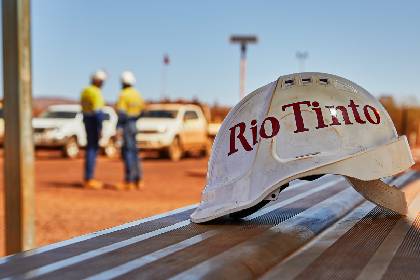
In 2026, the company expects its total iron ore sales to be 343-366 million tonnes, with 323-338 million tonnes produced at its Pilbara facilities and 5-10 million tonnes produced at its Pilbara plants. The Simandou Iron Ore Project.
Simon Trott, CEO of Rio Tinto, emphasized that the company plans to consolidate its operations into three world-class enterprises: iron ore, copper, aluminum and lithium, and that it aims to "free up 5-10 billion dollars from its existing asset base by exploring options for commercial, partnership or ownership of land, infrastructure, mining and processing assets such as iron and titanium, as well as borate operations."
The company also reaffirmed its goal to reduce carbon dioxide emissions by 50 percent by 2030, revising the expected capital requirement to $1-2 billion from a previous estimate of $5-6 billion. This shift reflects the growing investments of third parties in renewable energy infrastructure and the company's disciplined approach to capital utilization.
At long-term consensus prices, Rio Tinto estimates that its EBITDA could increase by 40-50 percent to 40-50 percent. 2030. According to the company, this growth will be driven by a 20% increase in copper production, lower costs and more efficient capital allocation.
There are no comments yet.