

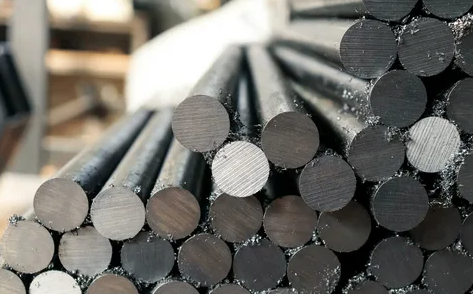
Although positive policy measures in the form of GST rationalization in the automotive sector and the expected growth in construction and infrastructure activities after Diwali did not have a significant impact on sentiment and prices in the steel market.
It is noteworthy that prices for steel and metals remained at the same level. mostly in negative territory, continuing the same trends that prevailed in October, while prices for major commodities strengthened. The increase in the list prices of some leading primary raw materials plants at the beginning of the month was not absorbed by the market, even though pressure on stocks led to a steady decline in steel prices during November.
Iron ore and pellets: Domestic iron ore prices remained steady, rising 2% month-on-month, mainly due to supply failing to meet the surge in demand. Mining companies have mostly maintained the higher offers they announced after the OMC auction in the middle of the month received a strong response. Sources said that bidding during the auction was aggressive, which led to higher prices as buyers competed for limited volumes. Prices of high-grade ore and lump ore in Odisha remained steady, and the NMDC announcement of a monthly increase in lump ore prices provided additional support to prices.
However, the BigMint pellet index, which tracks the key Raipur market, fell 4% month-on-month, mainly due to the depressed conditions prevailing in the sponge iron and semi-finished steel markets. A slight improvement in prices for DRI and semi-finished products was due to the buoyant mood in the IF rebar market in early November, but oversupply and competitive offers from neighboring states put pressure on pellet prices in Raipur.
Coal: The BigMint coking coal index for India rose 5% month-on-month in November as global coking coal prices strengthened on positive sentiment in China, especially in early November, leading to increased supply. the sources reported. Chinese coke plants have completed the third round


There are no comments yet.