

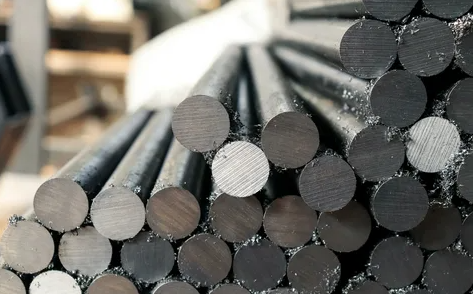
According to a Bloomberg report, Edwin Basson, director general of the World Steel Association (worldsteel), said China's long-standing steel overproduction problem is becoming increasingly difficult to solve, adding that the sector is so deeply integrated into China's broader industrial and economic system that quick fixes are not possible. Basson said: "There is no short-term practical solution" as steel plant closures would have serious consequences for the domestic economy.
The warning comes as China's steel industry, which has an annual capacity of one billion tonnes of steel, faces a structural imbalance created by years of rapidly expanding capacity for levels of demand that no longer exist. The prolonged downturn in China's real estate market has sharply weakened domestic consumption. As demand falls, surplus materials are diverted to global markets at increasingly lower prices, creating increased competitive pressure on manufacturers around the world.
This trend is now changing the dynamics of global trade. Worldsteel expects steel demand in China to fall two percent in 2025 and another one percent in 2026, continuing a multi-year decline that has pushed Chinese mills to export record volumes despite escalating protectionist barriers. China's steel exports have already topped 100 million tons in the first 11 months of 2025, according to the latest data, putting the country on track to record a record annual record.
Export pressure increasingly faces a global tariff wall
China's steel industry has been a central target of trade protection measures around the world. Earlier this year, the US imposed new tariffs and Asian countries imposed anti-dumping duties on Chinese steel. Mr Basson said: "The open market we enjoyed from 2000 to 2020 is disappearing" and free trade flows are becoming increasingly fragmented as governments try to protect domestic producers.
Market uncertainty continues to weigh on commodity prices. Singapore iron ore futures fell 0.9 percent to $102.45 a tonne, reflecting concerns about weaker demand in China and rising export-led volatility.
Fragmentation of the global steel industry threatens carbon emissions reduction targets
Noting that trade is not the only area at risk, the association warns,




There are no comments yet.